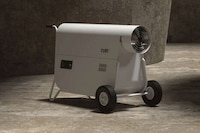

Invented by a teenager, this human waste bioreactor uses poop to power a high school. Originally conceived for national competition Innovate Kenya, the system deals with energy, environment and sanitation. Leroy Mwasaru created biodigesters that deal with two pollution issues at once while also fueling Maseno School.
The school's sewage, food waste and cattle excrement are used to generate power using biodigestors. Along with a team of students, Mwasaru developed the human waste bioreactor in an effort to use a renewable resource.
After designing two prototypes, the second is currently at work for Maseno where it sends energy directly to the school's kitchen stoves. This also means the school could transition from using wood fires to cook, which causes harmful health problems without proper ventilation and affects local forests.
Key Themes Behind This Trend
- Renewable Energy Generation
- The use of human waste as a power source demonstrates the potential for renewable energy generation.
- Sustainable Waste Management
- The human waste bioreactor showcases an innovative approach to managing waste sustainably while generating energy.
- Improving Health and Environment
- Transitioning from wood fires to renewable energy sources in school kitchens can improve health outcomes and reduce deforestation.
Where This Applies
- Renewable Energy
- The renewable energy industry could explore the integration of human waste as a power source.
- Waste Management
- The waste management industry could adopt biodigesters and similar technologies for sustainable waste processing.
- Education
- The education sector can embrace innovative solutions like the human waste bioreactor to teach students about sustainable practices and renewable energy.