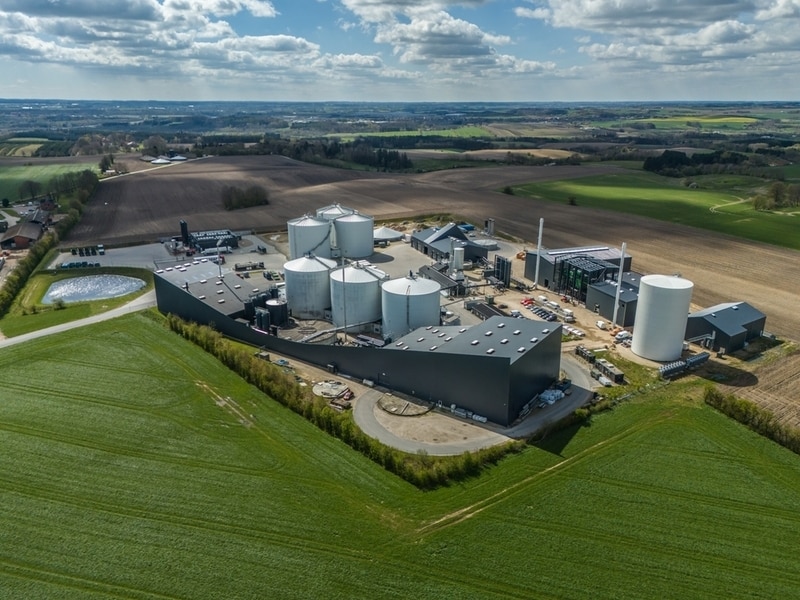
India’s Ministry of Petroleum and Natural Gas expanded its Compressed Bio Gas (CBG) ecosystem to 132 operational plants nationwide, delivering about 920 tons of fuel per day. Built under the Sustainable Alternative Towards Affordable Transportation (SATAT) program, the network converts agricultural residue and organic waste into cleaner-burning gas for vehicles and industry. The initiative brought together state-run oil and gas marketers that commit to buying and distributing the output.
Each CBG facility processes local biomass—such as crop residue, manure, and municipal organic waste—into compressed gas that can be blended with or replace conventional natural gas. Companies including Indian Oil, Bharat Petroleum, Hindustan Petroleum, GAIL, and Indraprastha Gas issued ongoing calls for private developers to build and supply plants under long-term offtake agreements. This framework helps de-risk investments while rapidly scaling capacity across multiple regions.
For consumers and businesses, the CBG rollout signals broader access to lower-emission fuel without major infrastructure changes. Drivers can tap into cleaner gas at existing networks, while rural communities gain additional income streams from selling waste feedstock. As other markets look to decarbonize transport and manage agricultural waste, India’s CBG build-out highlights a scalable model for circular economy energy solutions.
Image Credit: Kenneth Bagge Jorgensen / Shutterstock.com
What Makes This Trend Stand Out
- Circular Economy Energy Solutions
- India's CBG network exemplifies how agricultural waste can be transformed into valuable energy, supporting a sustainable circular economy.
- Decarbonizing Transportation
- The expansion of CBG plants provides an effective way to reduce vehicle emissions by offering cleaner-burning fuel alternatives.
- Local Biomass Utilization
- By processing local organic waste into fuel, CBG plants provide a compelling model for utilizing regional biomass resources.
Sectors Adopting This
- Renewable Energy
- The CBG ecosystem showcases how renewable energy sectors can integrate waste-to-energy technologies to diversify energy sources.
- Agricultural Services
- Agricultural sectors can capitalize on providing biomass feedstock for CBG plants, creating new revenue opportunities.
- Waste Management
- Waste management companies stand to benefit from partnerships with CBG facilities by converting organic waste into profitable fuel.