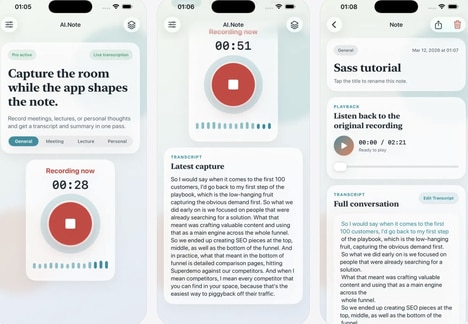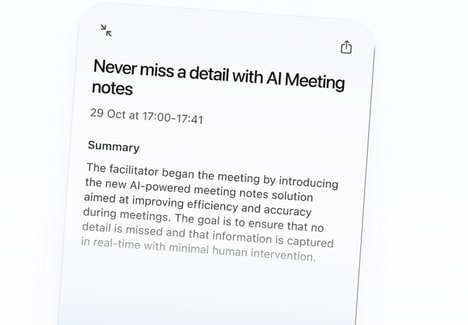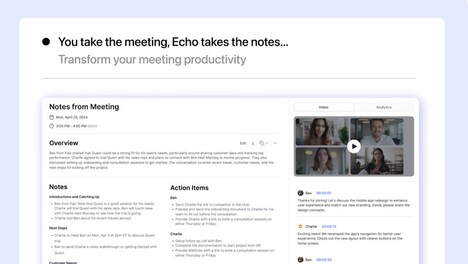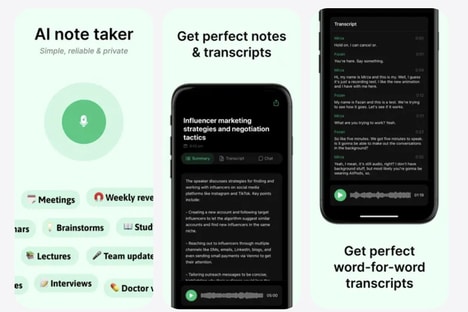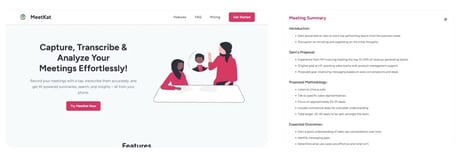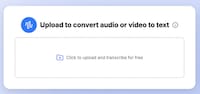
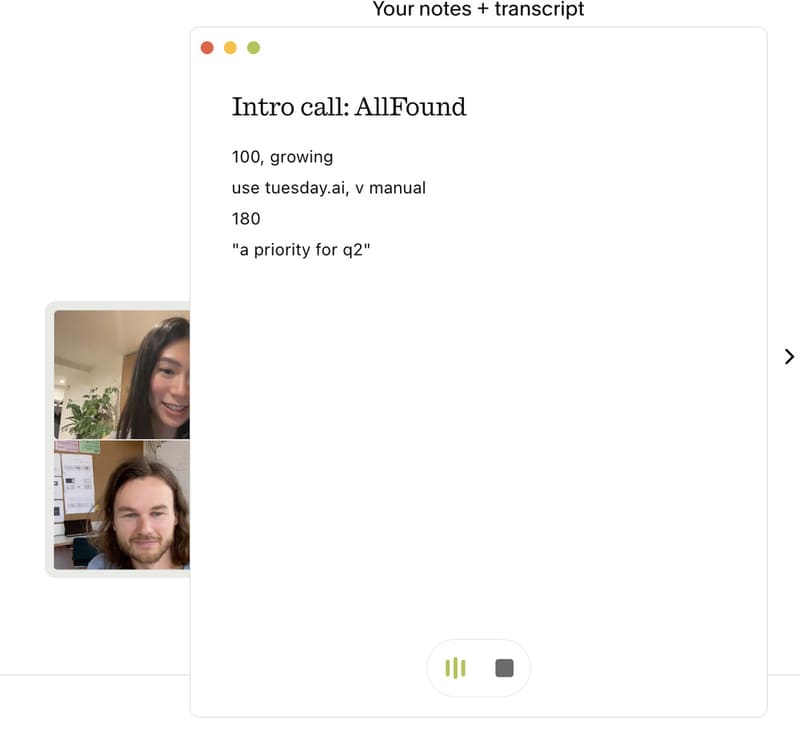
Granola is an AI-powered meeting note tool designed to support professionals managing frequent meetings. It combines user-written notes with automated transcription, capturing spoken content directly from a device’s audio without requiring external meeting bots.
This approach allows for more seamless integration into existing workflows, particularly in environments where privacy or simplicity is a concern. By merging manual input with AI-generated transcripts, Granola aims to create more complete and searchable records of discussions. The tool is positioned to help users retain key information, reduce reliance on memory, and streamline post-meeting follow-ups. Its functionality aligns with broader trends in workplace productivity software, where automation is used to reduce administrative tasks and improve information accessibility for teams operating in fast-paced, communication-heavy settings.
Image Credit: Granola
Key Themes Behind This Trend
- Hybrid Note Capture
- Combining user-written notes with AI transcripts produces unified meeting artifacts that can replace siloed documentation and enable more accurate institutional memory.
- On-device Meeting AI
- Localizing transcription and processing on a user device reduces reliance on cloud bots and opens possibilities for privacy-first, offline-enabled collaboration tools.
- Searchable Conversational Records
- Persistent, fully searchable records of spoken interactions create new opportunities for analytics, knowledge retrieval, and automated insight generation across teams.
Where This Applies
- Enterprise Software
- Integrated meeting capture capabilities could disrupt traditional collaboration suites by embedding contextualized transcripts and action items directly into workflow platforms.
- Legal and Compliance
- Accurate, auditable meeting records offer the potential to streamline discovery, compliance monitoring, and dispute resolution through verifiable conversation archives.
- Healthcare Administration
- Detailed transcriptions of staff and patient discussions have the capacity to improve care coordination, reduce documentation burden, and enhance regulatory recordkeeping.