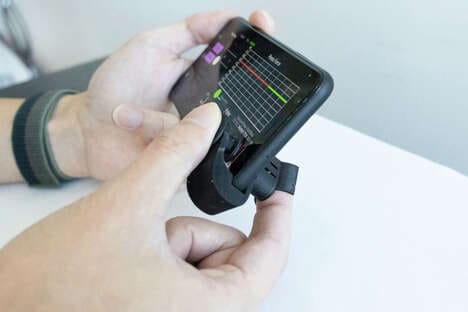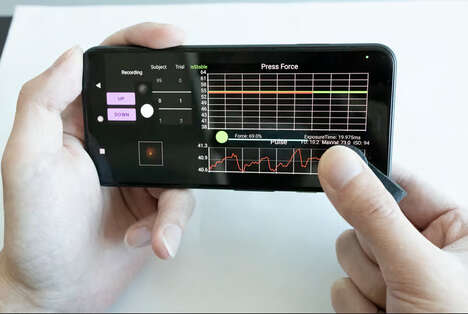

Anemia is the most common blood condition in the world, with more than 25 percent of the global population suffering from it according to the World Health Organization, and HemaApp is an attempt to use equally common modern technology to combat it. Namely, HemaApp is a smartphone app that can let any medical professional with a smartphone test whether a patient has anemia.
Anemia, which leads to weakness and fatigue, is brought on by low levels of hemoglobin in the blood. Hemoglobin is the element that gives blood its red color, and the University of Washington researchers who developed HemaApp took advantage of that quality.
By shining either a smartphone's camera light or a small, low-cost LED to the phone, the HemaApp uses a smartphone camera to "see" under the skin and make an accurate estimate on hemoglobin concentration based on blood color.
What Makes This Trend Stand Out
- Anemia-detecting Smartphone Apps
- HemaApp uses smartphone cameras to estimate users' hemoglobin levels, revolutionizing anemia detection.
- Low-cost Hemoglobin Testing
- The development of HemaApp offers a low-cost alternative to traditional hemoglobin tests, making it easier for medical professionals to diagnose anemia.
- Mobile Health Technology
- HemaApp represents the growing trend of utilizing mobile technology for healthcare purposes, providing convenient and accessible tools for medical professionals.
Sectors Adopting This
- Healthcare
- The healthcare industry can integrate HemaApp into its practices to improve anemia detection and treatment processes.
- Mobile Technology
- The mobile technology industry can develop more advanced apps or devices like HemaApp that use smartphone cameras to detect and monitor various health conditions.
- Medical Devices
- The medical devices industry can explore the potential for creating portable, low-cost devices that accurately measure hemoglobin levels, similar to HemaApp.