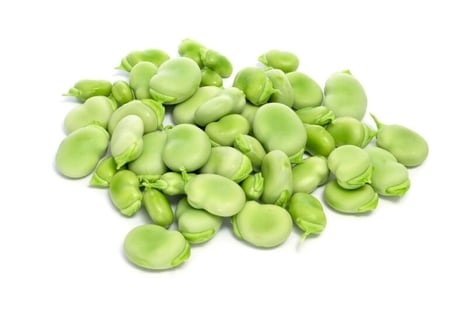
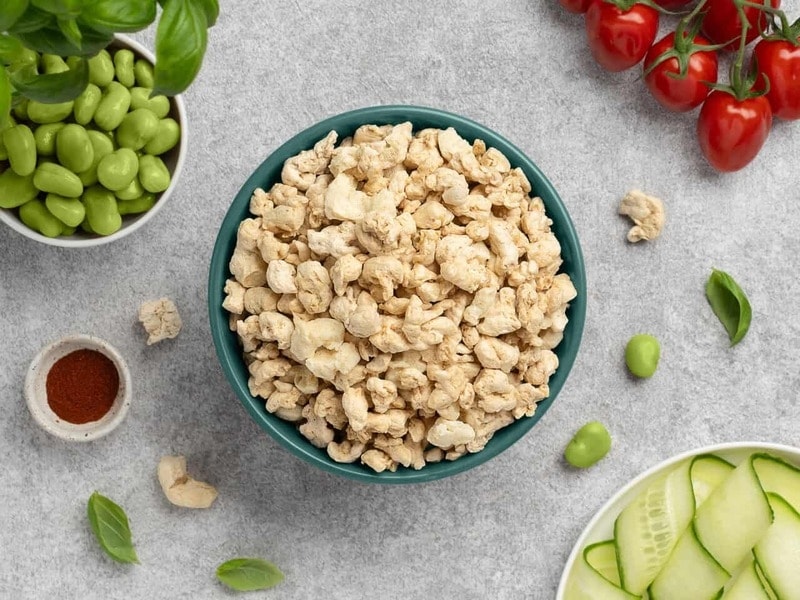
Happy Plant Protein is slated to debut its first textured vegetable protein (TVP) made using faba beans as a solution for the plant-based protein market. The product makes use of a patented process that requires just one step to transform legume flour into textured protein through a dry extrusion process. This process is capable of being implemented into the existing manufacturer production lines in facilities to achieve a TVP that's neutral in taste and smell, while also being versatile enough for use in snacks, meals and more.
CEO and Co-Founder Jari Karlsson spoke on the upcoming TVP from Happy Plant Protein saying, "Traditional protein isolates require chemical extraction, large amounts of water, and energy-intensive drying, producing wastewater and often leaving off-flavours. Happy Plant Protein bypasses this entirely by using a chemical-free dry extrusion process to transform local flours directly into textured protein. This approach strengthens regional protein independence and reduces reliance on imported isolates.”
Image Credit: Happy Plant Protein
What Makes This Trend Stand Out
- Sustainable Protein Processing
- The development of a chemical-free dry extrusion method for processing faba beans offers an eco-friendly alternative to traditional protein production.
- Local Sourcing of Ingredients
- Using local faba beans for protein production can enhance regional agricultural economies and reduce dependency on global supply chains.
- Versatile Plant-based Ingredients
- The creation of neutrally flavored and scented textured protein expands the possibilities for new product offerings in snacks and meals.
Sectors Adopting This
- Plant-based Food Industry
- Advancements in faba bean-based textured proteins can revolutionize meat alternatives and functional food products.
- Food Manufacturing Sector
- Integrating one-step extrusion technology presents opportunities for existing manufacturers to upgrade their operations with minimal disruption.
- Agricultural Processing Industry
- Focusing on domestic legume processing can drive innovations in crop utilization and local market development.