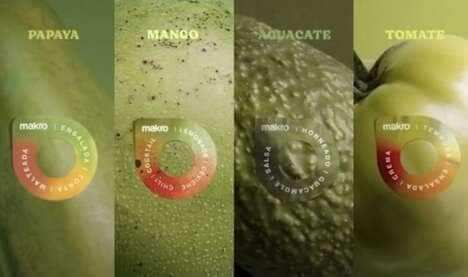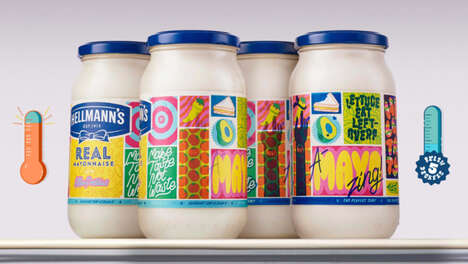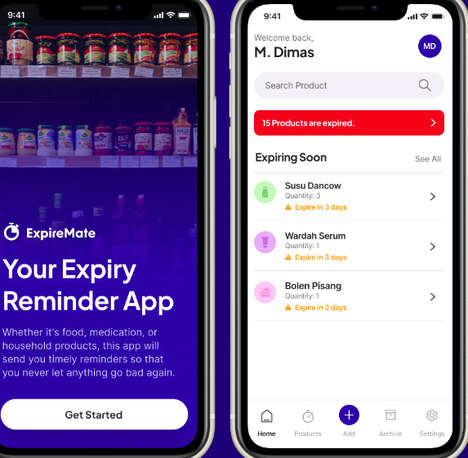
The color-changing food indicator developed by Bizongo is useful in a number of ways. For one, it ensures that consumers are aware of the spoilage condition of their food in real-time. Secondly, the innovation works toward combating and preventing waste.
The high-tech color-changing food indicator comes in the form of smart packaging labels that change color as time goes by. The process of shifting colors begins after a time-limit and the appearance of these is fully customizable. The higher the temperature of the environment is, the faster the color changes to reveal the state of freshness. As a result, when placed in the freezer, the food indicator responds slower.
Aside from monitoring food spoilage, Bizongo's color-changing food indicator labels can also be used in the supply chain, by pharmaceutical, as well as cosmetic companies.
Image Credit: YouTube @Bizongo
What Makes This Trend Stand Out
- Smart Packaging Labels
- The development of smart packaging labels in the food industry presents opportunities for companies to innovate and improve consumer awareness of product freshness.
- Real-time Monitoring
- Real-time monitoring of food spoilage provides opportunities to reduce waste and improve the user experience in the food industry.
- Customizable Appearance
- Customizable appearance of color-changing food indicators offers opportunities for brand differentiation and enhancing the user experience.
Sectors Adopting This
- Food Industry
- Bizongo's color-changing freshness indicators offer opportunities for food companies to innovate and improve the user experience while reducing food waste.
- Pharmaceuticals Industry
- The use of color-changing freshness indicators in the supply chain of pharmaceutical products can improve quality control and reduce waste.
- Cosmetics Industry
- Cosmetics companies can benefit from using color-changing freshness indicators to monitor and ensure the quality of their products, improving customer satisfaction and reducing waste.
Featured Reports
The Smaller Celebration Economy

The Future of Play Is More Human Than You Think