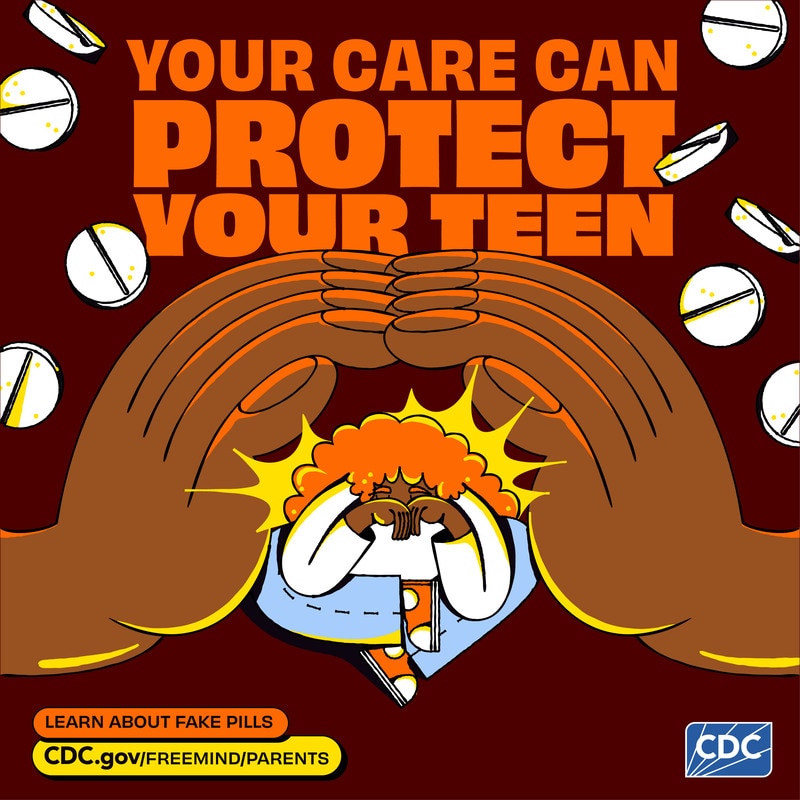
The Centers for Disease Control and Prevention (CDC) has initiated the Free Mind campaign, a comprehensive national effort designed to tackle the interconnected challenges of youth substance abuse and mental health issues among adolescents between the ages of 12 and 17. This timely back-to-school initiative provides scientifically-grounded resources for both teenagers and their caregivers.
The Free Mind campaign focuses on prevention through open dialogue about drug use risks and emotional well-being. The thoughtful initiative was developed with direct input from youth regarding their substance use perceptions. The campaign addresses alarming public health data that reveals fentanyl's involvement in 75% of adolescent overdose deaths and that 40% of high school students are withdrawing from activities due to persistent sadness.
Image Credit: CDC
Key Themes Behind This Trend
- Youth-focused Mental Health Campaigns
- Interactive and engaging campaigns targeting adolescent mental health could revolutionize how young people perceive and manage emotional challenges.
- Substance Abuse Prevention Initiatives
- Prevention models integrating real youth input can transform how educational resources address substance misuse among teenagers.
- Data-driven Public Health Strategies
- Strategies grounded in alarming data on youth well-being can reshape public health approaches to effectively address mental health and substance abuse concerns.
Where This Applies
- Public Health Advocacy
- The emphasis on collaborative, youth-involved initiatives could lead to novel advocacy efforts that more effectively reach young populations.
- Educational Resource Development
- There is an opportunity to innovate educational materials that bridge communication gaps between teens and caregivers on sensitive topics.
- Adolescent Behavioral Health Care
- Behavioral health care services tailored to adolescent needs might evolve dramatically with insights gathered from direct youth engagement in program development.