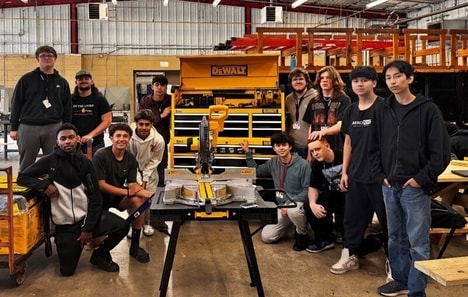
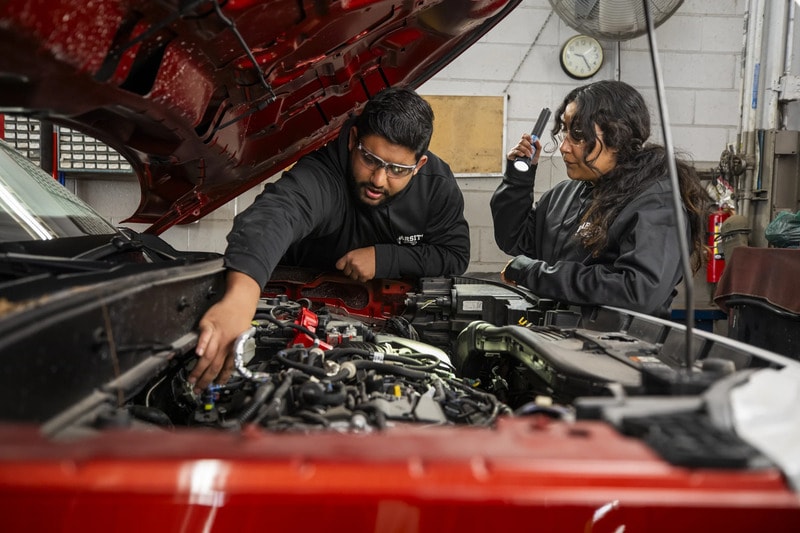
In a strategic alignment between two heritage American brands, Ford Motor Company and Carhartt have formalized a multi-year partnership aimed at supporting the nation's essential workforce. Announced at the Detroit Auto Show, this collaboration is designed to create a long-term impact across three key areas — workforce development, community building, and the creation of durable products.
As one might anticipate, the agreement will produce a line of new durable uniforms designed specifically for the modern service professional. By combining Ford's automotive expertise with Carhartt's legacy in rugged workwear, the partnership addresses real-world needs, such as outfitting the next generation of auto technicians with custom gear and providing them with accelerated training programs through partnerships with educational institutions. Furthermore, the joint effort between Ford Motor Company and Carhartt will bring ToolBank to Detroit, which will lend tools to volunteers and workers.
Image Credit: Ford Motor Company and Carhartt
Key Themes Behind This Trend
- Durable Workwear Integration
- An integrated workwear-to-vehicle ecosystem emerges, combining rugged apparel with vehicle-specific tools and embedded durability features for technicians.
- Corporate-education Apprenticeships
- Employer-backed apprenticeship models expand, aligning accelerated technical training with custom-branded gear and on-the-job credentialing.
- Community Tool-lending Networks
- Localized tool-lending infrastructures grow, enabling community-based access to specialized equipment tied to corporate stewardship programs.
Where This Applies
- Automotive Manufacturing
- Manufacturers gain potential to differentiate through bundled workforce solutions that pair vehicles with certified technician programs and purpose-built uniforms.
- Workwear and Protective Apparel
- Apparel firms can evolve into systems providers by integrating smart textiles and modular protection tailored to industry-specific tasks.
- Vocational Education and Training
- Training providers are positioned to scale competency-based pathways that incorporate employer-branded curricula and hands-on tool access.