Carhartt, the workwear brand with a history dating back to 1889, has announced a $375,000 grant through its For the Love of Labor program. The money will go toward the National Center for Construction Education and Research in order to expand skilled trades education in high schools across the country.
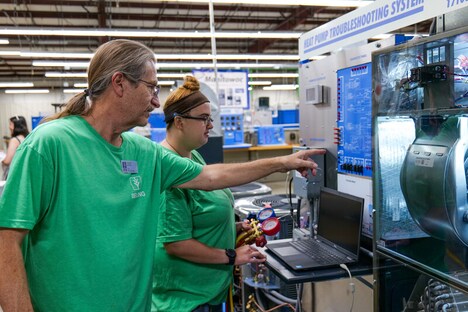
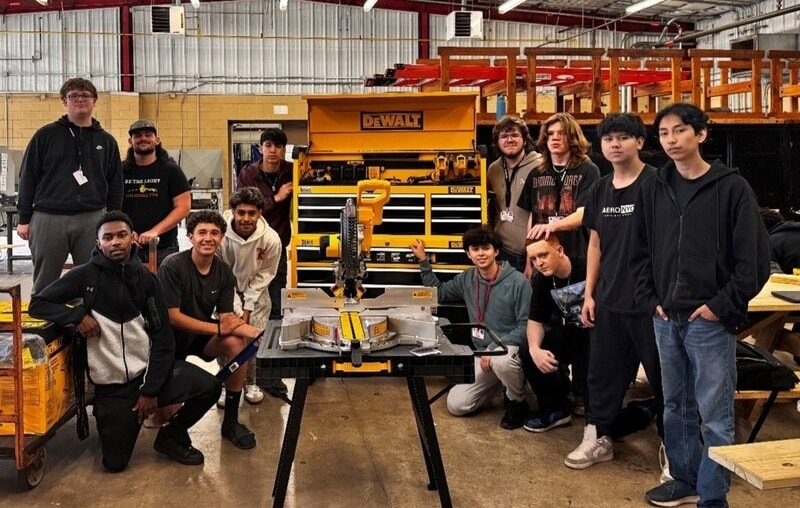
Carhartt's funding will help introduce accredited Career and Technical Education programs to fifteen additional high schools through NCCER's High School Builder Program. The financial resources will serve to provide students with an industry-recognized curriculum, resources, and testing that can prepare them for immediate employment after graduation.
The For the Love of Labor grant builds on previous support from Carhartt, bringing the total number of schools supported by the brand to 70 nationwide. Since its inception in 2022, the brand has delivered $3.5 million in funding.
Image Credit: Carhartt
What Makes This Trend Stand Out
- Corporate-backed Vocational Education
- Growing corporate grants for vocational programs are reshaping how secondary education is funded and aligned with employer needs, enabling new employer-led pipelines into skilled labor.
- Industry-recognized Microcredentialing
- The expansion of accredited, stackable certifications tied to specific trades is creating alternatives to traditional degrees that shorten time-to-employment and signal competency to hiring organizations.
- Brand-driven Workforce Development
- Consumer brands investing in workforce initiatives are turning marketing budgets into long-term talent ecosystems that integrate education, credentialing, and employer networks.
Sectors Adopting This
- Construction and Trades Education
- High schools adopting NCCER-style curricula are positioned to disrupt traditional vocational training by providing standardized, employer-aligned pathways directly into construction careers.
- Workwear and Apparel
- Apparel brands that couple product with funding for skills programs are redefining brand value toward community impact and talent cultivation rather than solely garment sales.
- Educational Technology and Credentialing
- Platforms offering testing, curriculum delivery, and digital credentials are enabling scalable, verifiable skill assessment models that bypass conventional accreditation bottlenecks.