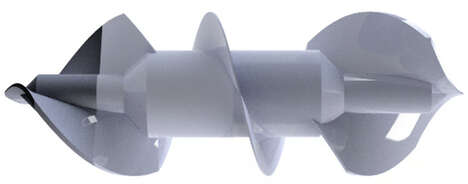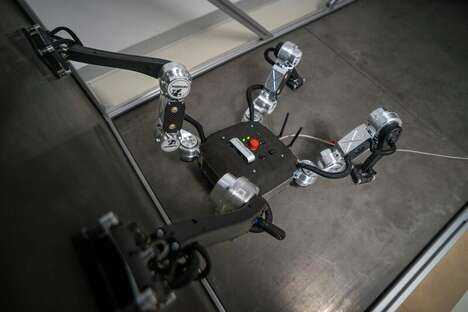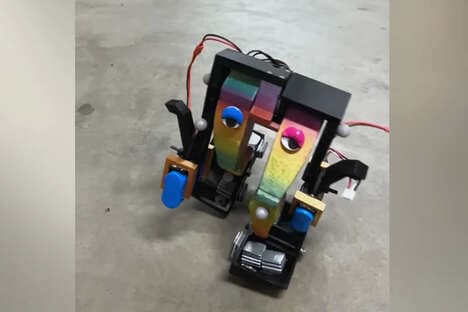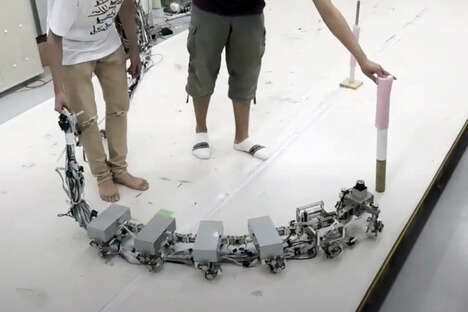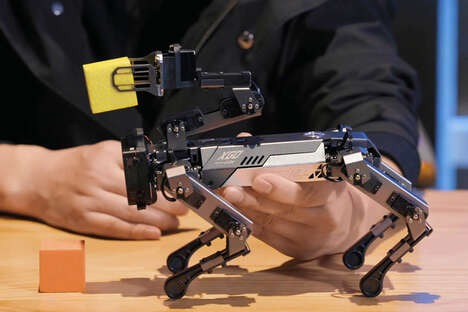

Teams of scientists throughout Europe are in the process of creating what can best be described as tiny flea-sized robots. These robots are being designed to do almost anything, from cleaning to surveillance and medical work.
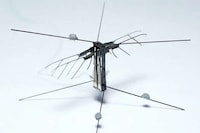
When the researchers say they are making flea-sized robots, they mean it: “their length, width, and height each measuring less than 4 mm. The robots are powered by a solar cell on top, and move by three vibrating legs. A fourth vibrating leg is used as a touch sensor.”
Creating one robot is very simple, the main goal is to eventually mass produce the robots with the ability to communicate with one another while fulfilling various tasks; at which point the researchers will scream “Fly my pretties!” as the robots go out to do their bidding.
What Makes This Trend Stand Out
- Miniature Robotics
- The trend of developing flea-sized robots is an opportunity for disruptive innovation in the field of robotics, enabling applications in cleaning, surveillance, and medical work.
- Mass Production
- The trend of mass producing tiny robots opens up disruptive innovation possibilities in manufacturing industries, allowing for cost-effective production and scalability.
- Wireless Communication
- The trend of developing robots that can communicate with one another presents disruptive innovation opportunities in the field of wireless communication, enabling collaborative tasks and advanced functionalities.
Sectors Adopting This
- Robotics
- The robotics industry can benefit from the development of flea-sized robots by exploring new applications and expanding the use of miniature robotics in various sectors.
- Manufacturing
- The manufacturing industry can leverage the mass production of tiny robots to drive process automation and streamline operations, leading to increased productivity and efficiency.
- Wireless Technology
- The wireless technology industry can seize the opportunity of enabling communication between tiny robots, paving the way for innovative applications and advancements in wireless connectivity.