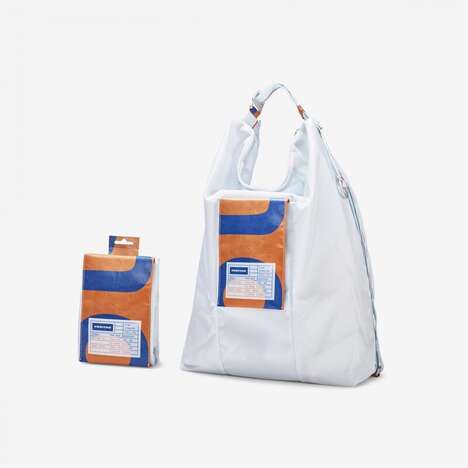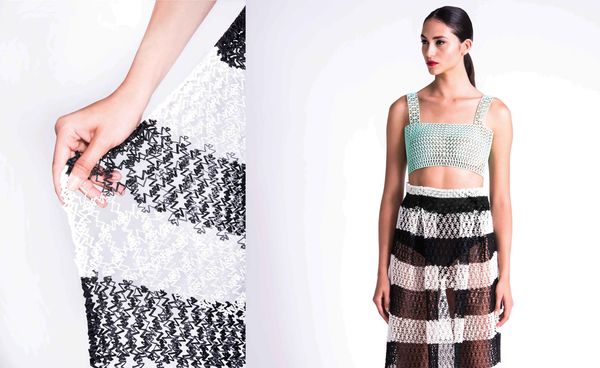
Swiss clothing manufacturer Freitag -- owned by brothers Daniel and Markus Freitag -- is producing a special fabric called F-abric that is specifically designed for quick and easy composting.
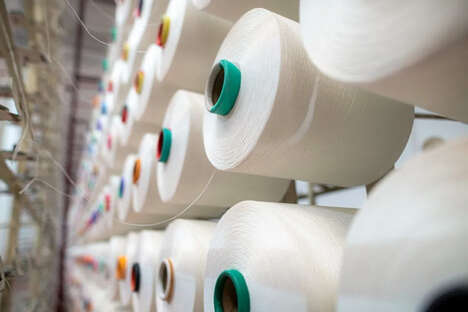
The F-abric material is made from a blend of flex and hemp fibers along with modal fibers created by spinning cellulose obtained from beech trees. A special weaving process contributes to F-abric's ability to quickly disintegrate once composted. Wood pulp-based Tencel yarn is used to sew the sheets of F-abric together, helping it compost quicker.
Clothing made with this fabric will biodegrade completely in only around three months once placed in a compost heap. The line consists of men's pants, women's and women's shirts and a bib dress.
What Makes This Trend Stand Out
- Composting Clothing
- Creating fabrics that are specifically designed to quickly and easily compost, offering environmentally-friendly options for the fashion industry.
- Sustainable Materials
- Utilizing blends of flex, hemp, and modal fibers to create fabrics that are both eco-friendly and biodegradable.
- Fast Disintegration
- Developing innovative weaving techniques that contribute to the quick disintegration of fabrics, promoting efficient composting.
Sectors Adopting This
- Fashion/apparel
- Opportunity for clothing manufacturers to incorporate compost-friendly fabrics into their product lines, meeting the growing demand for sustainable fashion options.
- Sustainability
- Providing an opportunity for eco-conscious brands and industries to adopt composting-friendly fabrics, reducing waste and promoting a circular economy.
- Textile Recycling
- Creating opportunities for textile recycling companies to process composted fabrics, contributing to the development of a more sustainable waste management system.