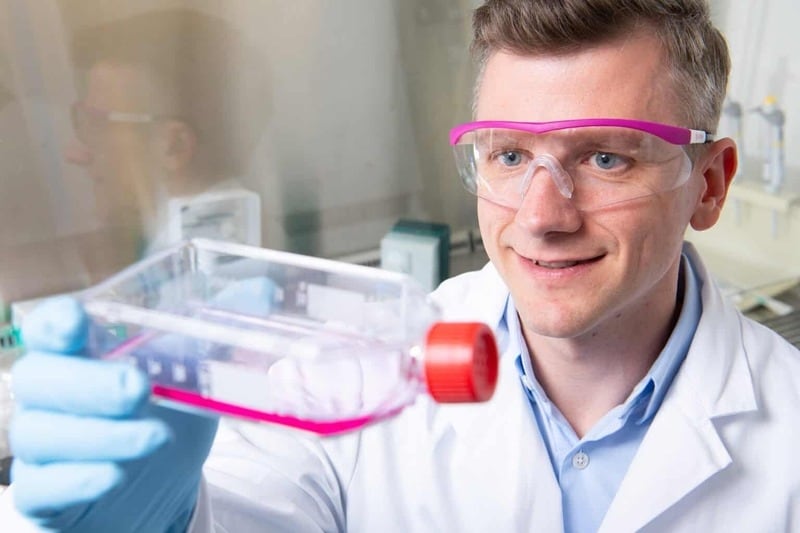
Evonik VECOLLAN® has been announced by the global chemical company as a collagen-like, non-animal-derived protein platform that could help to revolutionize the industry. The platform has been achieved in a grade that's suitable for clinical trials and boasts a vegan-friendly profile that has been crafted through sustainable fermentation that ensures high levels of consistency and purity. The new clinical-grade solution in sponge and hydrogel varieties have reportedly identified significant promise for a variety of applications inlacing medical aesthetics, orthopedics and sports medicine uses.
Head of Medical Devices at the brand's Health Care business line Jeff Smith spoke on the Evonik VECOLLAN® saying, "Our new VECOLLAN® grade is another step forward in our mission to provide high-quality, non-animal-derived collagen alternatives for medical applications and to push the boundaries of medical technology. Now, we are actively seeking collaborations with partners to facilitate entry into clinical trials.”
Image Credit: Evonik
Key Themes Behind This Trend
- Vegan-friendly Biomaterials
- The growth of plant-based lifestyles is driving demand for non-animal-derived biomaterials, opening new pathways in the sustainability-focused biotech sector.
- Sustainable Fermentation Processes
- Advancements in fermentation technology are enabling the development of consistent and pure biomaterials, which could disrupt traditional material sourcing practices.
- Clinical-grade Biomaterial Innovations
- New clinical-grade biomaterials like VECOLLAN® present opportunities to enhance medical applications, particularly in fields requiring biocompatible and high-quality materials.
Where This Applies
- Biotechnology
- Emerging technologies in sustainable biotech solutions like fermentation-based proteins are poised to redefine material production and biocompatibility in medical applications.
- Medical Devices
- The introduction of advanced biomaterials provides the medical devices industry with new opportunities for innovative solutions in medical aesthetics and orthopedics.
- Sustainable Materials
- The demand for eco-friendly and sustainable materials in various industries is accelerating interest in fermentation-based alternatives for traditional animal-derived components.