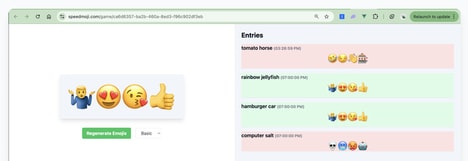

Infographic editor Carlos Monteiro designed this chart, which will aid in society's understanding of the increased demand for the emoji language. The infographic shows who is using the playful language and how each person is using it to communicate with others.
This chart specifically outlines simple facts such as 92 percent of the online population uses emojis. The use of the emoji has also played a key role in many marketing and communication tactics, which have all proven to be well received by the population.
While some of the images from the emoji language are odd, there is also a general understanding of each image. This means that a language barrier can be broken through the use of these images. Additionally, using an emoji is a time-saver in the long run.
Key Themes Behind This Trend
- Increased Emoji Usage
- Disruptive innovation opportunity: Create products or services that cater to the growing demand for emojis in communication.
- Emoji in Marketing
- Disruptive innovation opportunity: Explore innovative ways to incorporate emojis into marketing and communication strategies for improved engagement.
- Breaking Language Barriers with Emojis
- Disruptive innovation opportunity: Develop solutions that leverage emojis to overcome language barriers and facilitate cross-cultural communication.
Where This Applies
- Communication Apps
- Disruptive innovation opportunity: Build messaging applications that provide enhanced emoji features and capabilities for more engaging conversations.
- Marketing and Advertising
- Disruptive innovation opportunity: Create innovative campaigns and strategies that leverage emojis to capture audience attention and create memorable brand experiences.
- Language Learning
- Disruptive innovation opportunity: Integrate emojis into language learning platforms to make language acquisition more fun, accessible, and engaging.