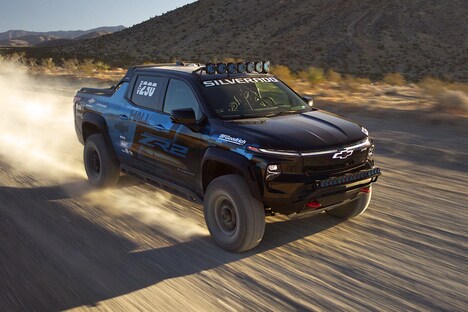
Bollinger created two new electric utility trucks, one is titled the ‘B1,’ and the other is the ‘B2.’ Both of the electric utility trucks were revealed at the 2019 Los Angeles Auto Show. The B1 seats four people and has an enclosed back, while the B2 is a sport utility pickup truck.
The new trucks are both powered by a 614 horsepower electric engine that can produce 668 ft-lb of torque. The trucks are able to accelerate to speeds of 60 mph within 4.5 seconds, and both have a top speed of 100 mph.
Notably, the new trucks feature an upgraded suspension system, which Robert Bollinger, the company founder commented on, “They way the suspension is done, it’ll feel the same way driving it whether you’re carrying 5,000 pounds [of cargo] or not.”
Image Credit: Bollinger
What's Driving This Trend
- Electric Utility Trucks
- The development of electric utility trucks presents disruptive innovation opportunities for the transportation industry.
- Electric Vehicle Powertrain
- The use of a powerful electric engine in the B1 and B2 trucks opens up possibilities for disruptive innovation in the electric vehicle powertrain industry.
- Upgraded Suspension Systems
- Incorporating an upgraded suspension system in electric utility trucks creates disruptive innovation opportunities in the automotive suspension industry.
Who This Affects Most
- Automotive
- The automotive industry can explore opportunities in developing and manufacturing electric utility trucks to meet the rising demand for environmentally friendly vehicles.
- Transportation
- The transportation industry can leverage electric utility trucks to revolutionize the way goods are transported, leading to more efficient and sustainable logistics.
- Electric Powertrain
- The electric powertrain industry can capitalize on the advancements made in electric vehicle powertrain technology through the development of more efficient and high-performance systems.