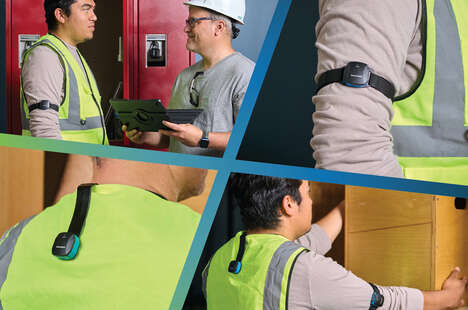
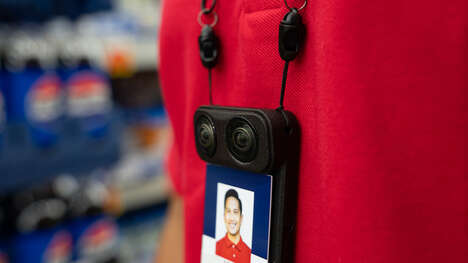
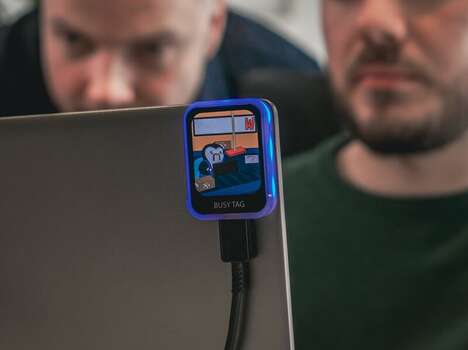
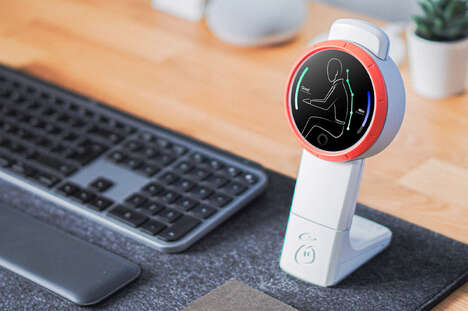
This efficiency tracker improves the productivity of staff members with wearable sensors. Humanyze is a smart badge worn around the necks of employees so businesses can be more productive as a whole. The sensors embedded within the badges -- such as an accelerometer and microphone -- collect more than 40 kinds of data during just one day.
Created by the MIT Media Lab, the Humanyze efficiency tracker has already been put to work with 10,000 Bank of America employees. Individual workers wear the badge, which gains insight based on everything from tone of voice to body language towards colleagues. A cloud-based dashboard shows the gathered data as well as other business metrics. This enables the company to gain further insight into their performance.
Although all data is privacy protected and participating clients cannot access an individual's information, it will be interesting to see how those wearing badges will respond.
What's Driving This Trend
- Wearable Efficiency Trackers
- Opportunity for companies to utilize wearable sensors to track employee productivity and improve overall performance.
- Data-driven Performance Monitoring
- The use of badges with embedded sensors to collect and analyze various data points offers potential for enhanced performance monitoring.
- Cloud-based Data Analytics
- Leveraging cloud-based dashboards to analyze and visualize data from efficiency trackers provides new insights for businesses.
Who This Affects Most
- Human Resources
- Application of wearable efficiency trackers in HR departments could revolutionize performance evaluation and employee management.
- Technology
- Integration of data-driven performance monitoring technologies could disrupt the tech industry by enabling new solutions for measuring productivity and efficiency.
- Analytics
- Cloud-based data analytics platforms could see increased demand as more businesses adopt efficiency trackers and require insights from the collected data.