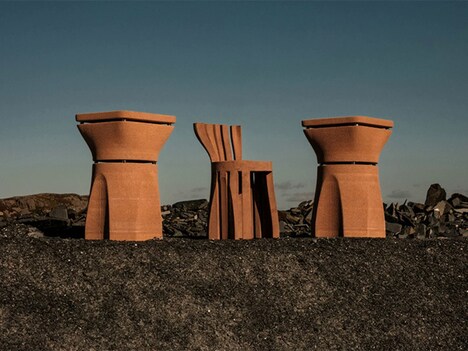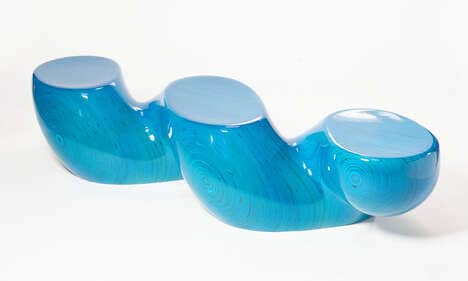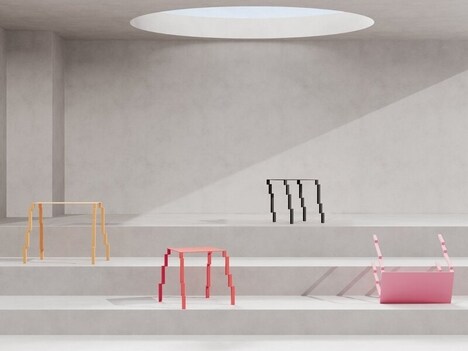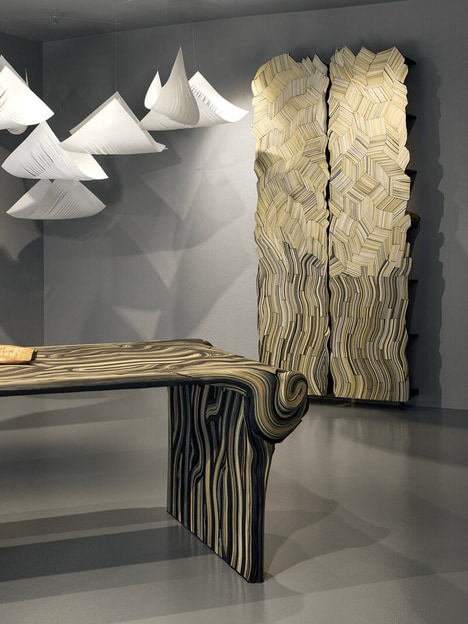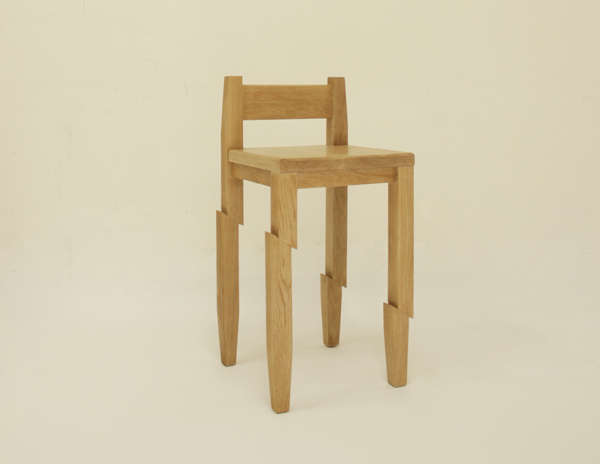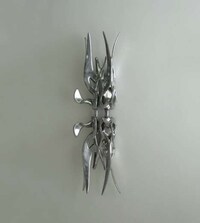
At its core, 'Digital Decay' by Zachary Eastwood-Bloom is a modern-day deconstructivist work of art. This computer-generated collection of furniture includes a chair and table designed to look like they're in the process of degeneration.
Created with sophisticated 3D modeling software, 'Digital Decay' by Zachary Eastwood-Bloom is typical to the designer's work in that it analyzes the laws of physics and technology with an exploration of material, mass and volume.
Photo Credits: Designboom
What's Driving This Trend
- Digital Decay
- The trend of incorporating decay and degeneration into digital designs opens opportunities for unique, edgy aesthetics in various industries.
- Deconstructivist Art
- The trend of deconstructing traditional forms and structures in art presents disruptive innovation opportunities for artists to challenge existing norms and perceptions.
- 3D Modeling
- The trend of using sophisticated 3D modeling software allows designers to push the boundaries of material, mass, and volume, offering new possibilities in architecture, product design, and more.
Who This Affects Most
- Furniture Design
- The furniture industry can explore incorporating digital decay elements into their designs to create unique and unconventional pieces that appeal to a niche market.
- Art
- The art industry can embrace deconstructivist art to challenge traditional artistic forms, create new narratives, and engage audiences in thought-provoking ways.
- Digital Design
- The field of digital design can leverage the use of 3D modeling technology to push the boundaries of visual aesthetics, creating captivating and immersive experiences in various industries such as gaming, advertising, and virtual reality.