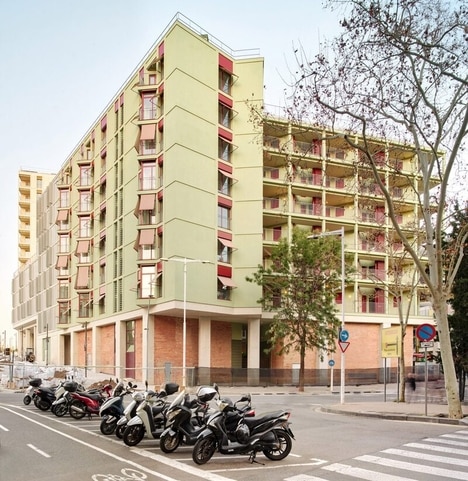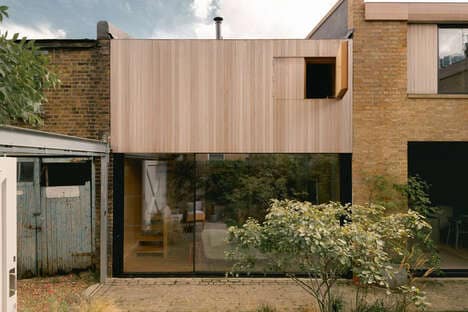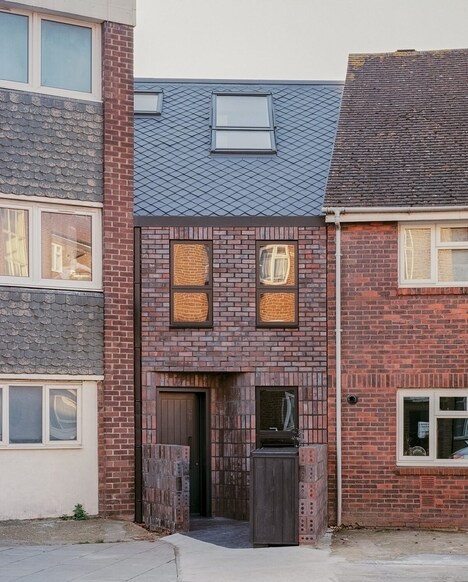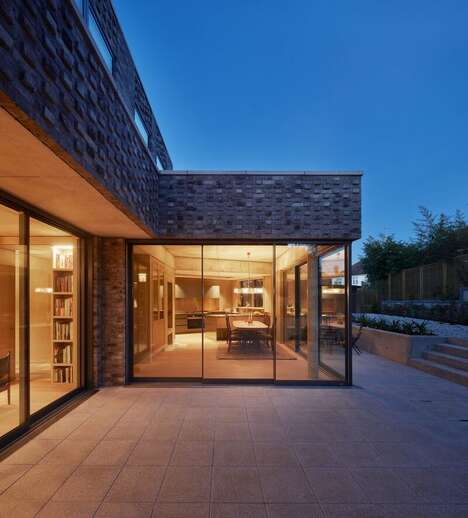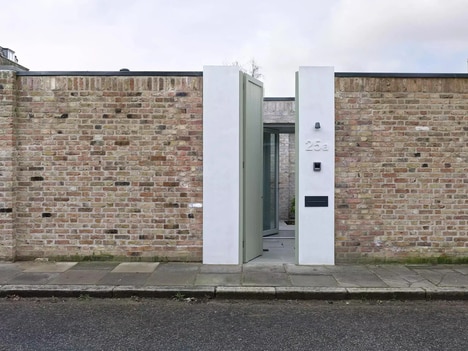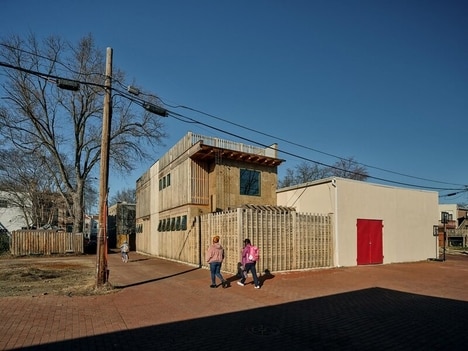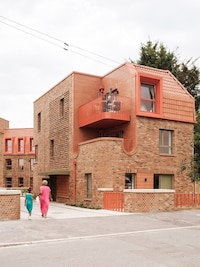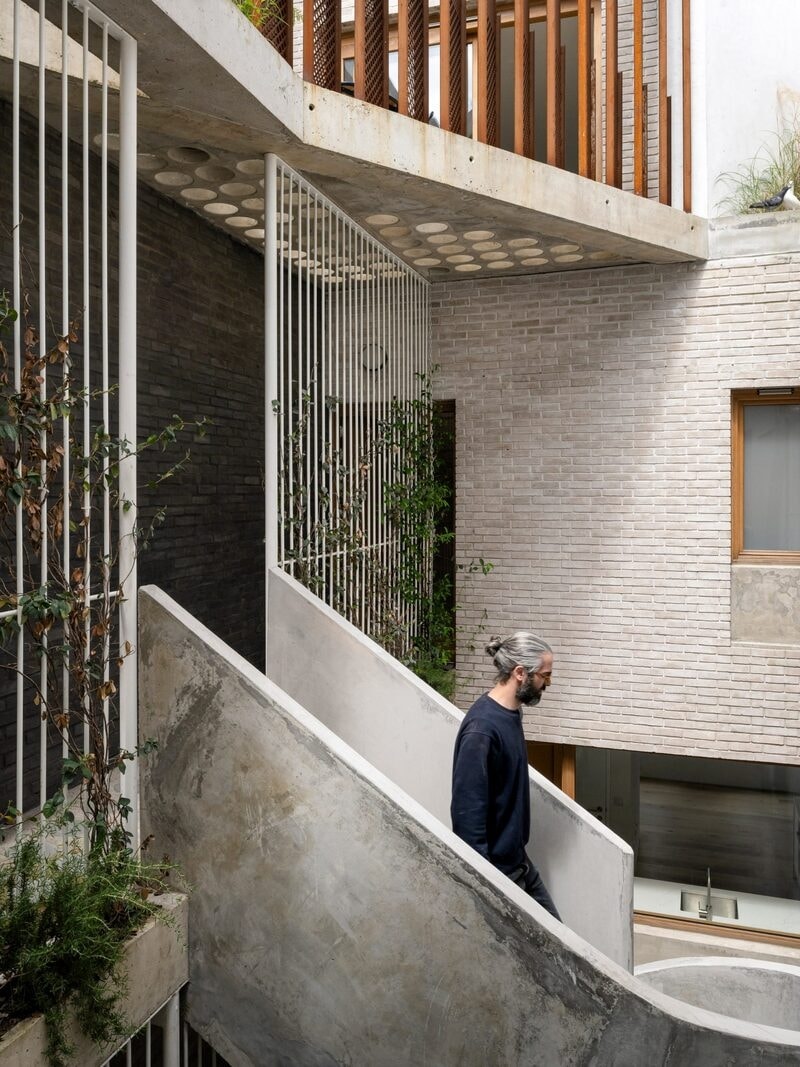
Cuozzo Company’s infill housing project addresses the city’s growing need for density through a design that respects its urban context. Positioned within a narrow gap site, the building complements its surroundings with a careful balance of proportion and texture. A mix of brick and timber creates a warm, familiar palette, while generous windows and terraces bring light into each apartment. The result is a structure that feels integrated rather than imposed, contributing quietly to the rhythm of the street.
The plan organizes living spaces toward open views and natural light, with shared courtyards offering moments of community within the compact footprint. Refined detailing softens the junctions between new and existing architecture, creating continuity without imitation. Cuozzo Company’s approach demonstrates how thoughtful infill can add depth, character, and livability to the evolving urban fabric of London.
Image Credit: Francesco Russo
Why This Trend Is Growing
- Compact Urban Living Solutions
- The rise of compact urban living solutions highlights the demand for innovative design approaches that maximize space while enhancing livability.
- Sustainable Infill Architecture
- Sustainable infill architecture presents an opportunity to blend new developments seamlessly with historical urban environments, enhancing both community aesthetics and functionality.
- Community-centric Housing Design
- Community-centric housing design emphasizes creating shared spaces that foster social interaction, promoting healthier and more engaged urban lifestyles.
Industries Being Reshaped
- Real Estate Development
- Real estate development faces transformative opportunities in designing housing projects that efficiently utilize limited urban spaces while enhancing tenant quality of life.
- Sustainable Materials Manufacturing
- The sustainable materials manufacturing industry can benefit from an increased demand for eco-friendly building materials used in urban infill projects, such as reclaimed timber and low-impact bricks.
- Urban Planning and Design
- Urban planning and design industries are poised to redefine cityscapes by incorporating infill housing projects that balance modern livability with heritage conservation.