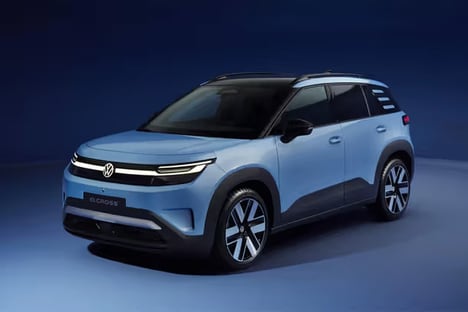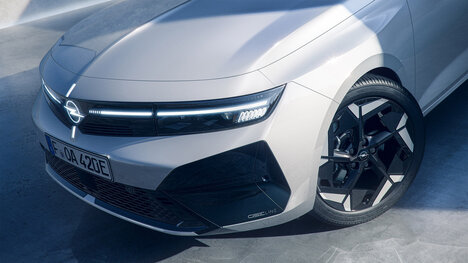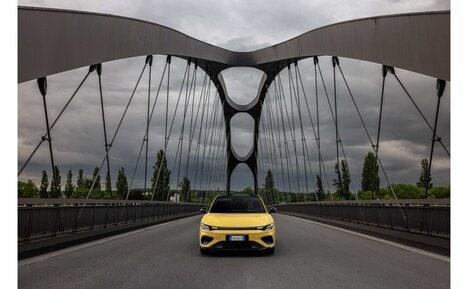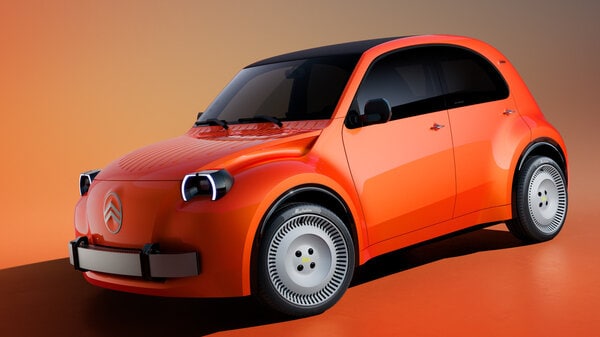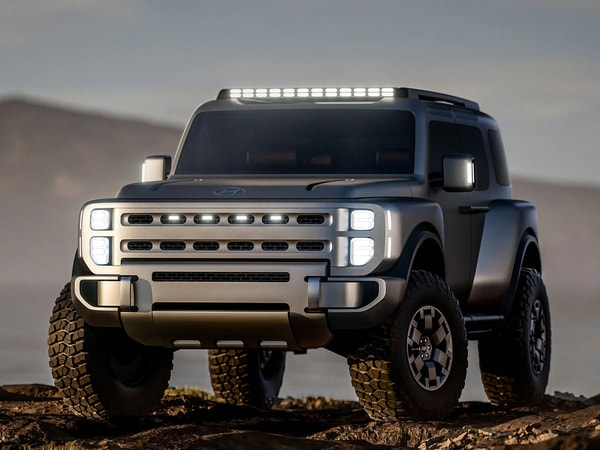

Opel is adding a compact electric SUV for European buyers through a project with Leapmotor, using its partner's platform and core EV hardware. The model is being developed in China and will be assembled at Stellantis' Zaragoza plant in Spain, with production set for summer 2028.
At roughly 177 inches long, the SUV fits between the Frontera and Grandland in Opel's lineup. Zaragoza will also build the related Leapmotor B10, so the plant will handle two entries in the same class while keeping final assembly in Europe for this model's target market.
Opel shows how Leapmotor's platform and core EV hardware can bring a compact electric SUV to European buyers, with final assembly in Zaragoza, Spain, set for summer 2028, and a size that fits between the Frontera and Grandland.
Image Credit: AI-generated
Key Themes Behind This Trend
- Cross-brand EV Platforms
- Shared electric vehicle architectures reduce development complexity while creating room for faster regional model launches across established and emerging automakers.
- Localized EV Assembly
- European final assembly of globally developed EVs supports market-specific production strategies while helping brands balance cost, logistics, and consumer trust.
- Compact Electric Suvs
- Growing demand for mid-sized electric crossovers opens space for flexible vehicle platforms that can serve multiple brands and price positions.
Where This Applies
- Automotive Manufacturing
- Contract-style and multi-brand plant utilization can transform legacy factories into more adaptable hubs for electrified vehicle production.
- Electric Mobility
- Platform partnerships between automakers and EV specialists expand the pace of battery-electric adoption through shared hardware and reduced engineering duplication.
- Supply Chain Logistics
- Blending Chinese development with European assembly creates new operational models for cross-border EV sourcing, compliance, and distribution.