
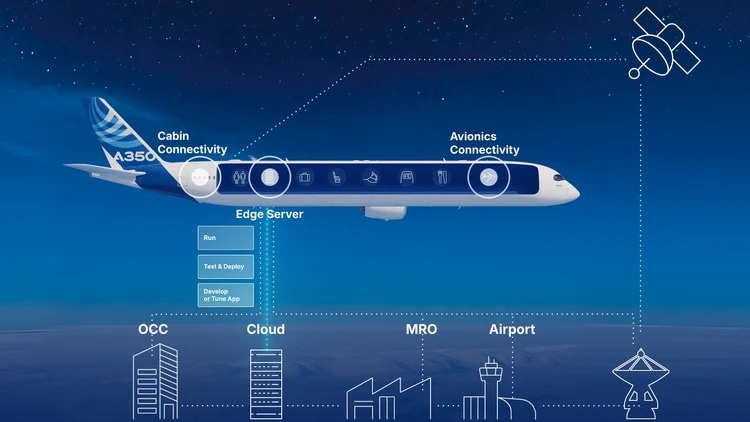
The Connected Aircraft ecosystem by Airbus is anchored by the HBCplus modular connectivity system and an open digital platform that aggregates onboard sensors, ground systems, and artificial intelligence. The core goal of this venture is to "connect aircraft end-to-end, so airlines can leverage digital and connectivity to offer a reliable digital experience and boost their operational efficiency."
The innovation will allow airlines to choose from multiple satellite providers operating in low, medium, or geostationary orbits and to swap providers with an overnight retrofit rather than grounding the aircraft for extensive structural changes.
Airbus' Connected Aircraft ecosystem moves the industry from closed, vendor-locked systems to open, adaptable architectures, with the next iteration of the HBCplus modular connectivity system planned for 2028. The planned upgrade to the aviation-grade connectivity installation will incorporate electronically steered antenna technology to seamlessly switch between different orbits and service providers based on speed, cost, and geographic coverage.
Image Credit: Airbus
Key Themes Behind This Trend
- Modular Multi-orbit Connectivity
- Enables aircraft to dynamically switch between LEO, MEO, and GEO services, creating opportunities for flexible service-tiering and cost-optimized connectivity models.
- Open Aircraft Data Platforms
- Creates a unified ecosystem aggregating onboard sensors and ground systems that can foster third-party applications and data monetization across stakeholders.
- AI-driven Flight and Fleet Optimization
- Presents the potential to use aggregated sensor and connectivity data to predict maintenance, optimize routing, and improve operational resilience in real time.
Where This Applies
- Commercial Airlines
- Stands to benefit from improved dispatch reliability and passenger experience through retrofitable connectivity that reduces downtime and enables differentiated digital services.
- Satellite Communications
- Faces demand for interoperable, multi-orbit service offerings and partner ecosystems to support seamless handoffs and competitive pricing structures.
- Aviation Systems Integration
- Is positioned to expand into modular hardware and software retrofit markets as airlines seek open, vendor-agnostic solutions compatible with evolving antenna and connectivity standards.