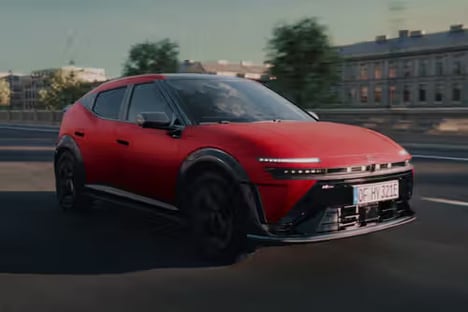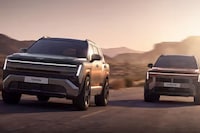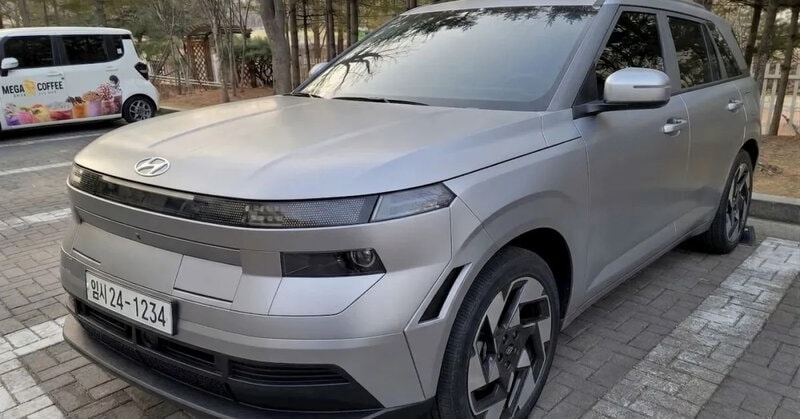
Hyundai is skipping a routine refresh and moving the Kona toward a full redesign, with a boxier shape, a more upright SUV stance and an interior update aimed at making the compact SUV feel newer. The third-generation model is expected to keep an EV version in the mix, giving electric buyers another option.
The new cabin appears to run Hyundai’s ‘Pleos Connect’ system, and the company’s IONIQ 3 uses a 14.6-inch center infotainment screen with an optional driver display. That setup puts a larger, cleaner interface in front of the driver and signals a more digital interior for the next Kona.
Hyundai’s testing in the U.S., Europe and other regions suggests a broad rollout, and if the EV returns in 2027 or 2028, the Kona could stay relevant in a segment where design and cabin tech now matter as much as powertrain choice.
Image Credit: Electrek
What Makes This Trend Stand Out
- Boxier Compact Suvs
- Sharper proportions and upright stances are redefining small crossovers as brands use bolder silhouettes to create stronger visual differentiation in crowded urban mobility markets.
- Digital-first Cabins
- Larger infotainment displays and simplified interfaces are turning entry and mid-tier vehicles into software-centric environments with new potential for connected services and personalization.
- Multi-powertrain Redesigns
- Redesigned platforms that keep EV variants alongside conventional models reflect a flexible product strategy as automakers navigate uneven regional electrification demand.
Sectors Adopting This
- Automotive Manufacturing
- Full redesign cycles instead of minor refreshes indicate growing pressure on automakers to combine styling, software and electrification updates in faster product development timelines.
- In-vehicle Technology
- Expanded dashboard screens and connected operating systems create openings for interface providers, app ecosystems and data-driven cabin experiences across mainstream vehicle segments.
- Electric Vehicles
- Compact electric SUV options remain strategically important as affordability, practicality and recognizable crossover formats influence mass-market EV adoption.