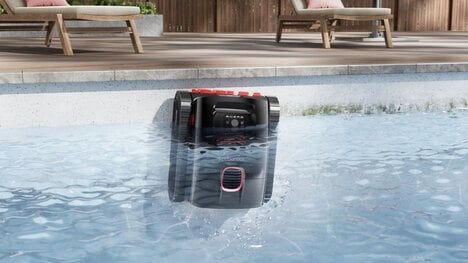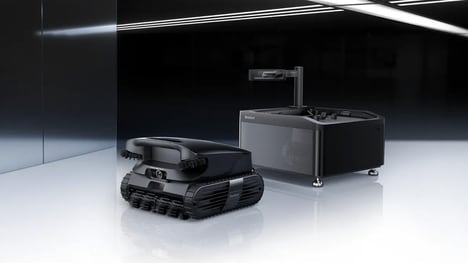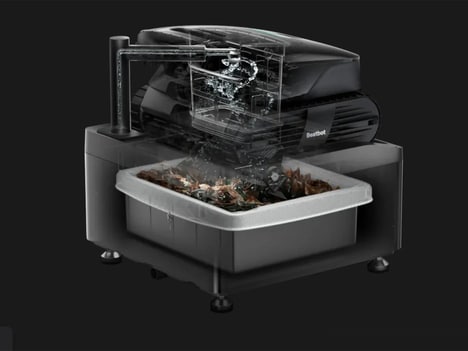
Autonomous pool cleaning robots are becoming more advanced as Beatbot introduces AquaSense 3 and Sora Neo R, two cordless devices designed to simplify pool maintenance. AquaSense 3 uses artificial intelligence to identify debris, navigate pool surfaces, and inspect cleaned areas for anything left behind, reducing the need for manual intervention.
The AquaSense 3 recognizes over 40 debris types, operates for up to five hours, and offers a quick-cleaning mode that can reduce cleaning time by 50%. Meanwhile, Sora Neo R combines dual-pump suction with integrated water treatment and automatically floats to the surface for retrieval. The models are priced at €1,699 and €599, respectively.
For Beatbot, offering different capabilities and price points could attract a broader range of pool owners. Combining automated cleaning with water care and intelligent navigation may also strengthen the company's position in robotic pool maintenance.
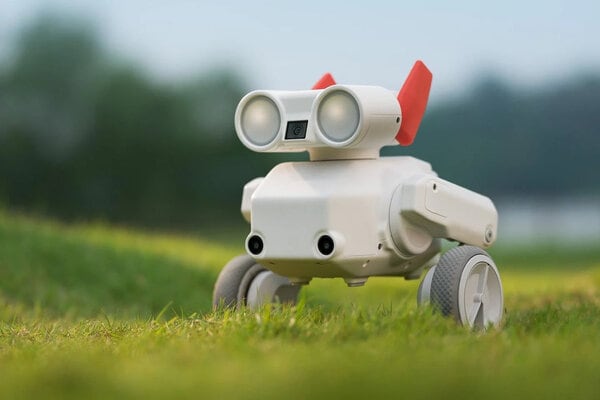
Image Credit: AI-generated
Why This Trend Is Growing
- AI Debris Recognition
- Machine vision systems that distinguish debris types create new value in home maintenance by shifting robotic cleaners from routine automation to context-aware surface care.
- Cordless Pool Automation
- Battery-powered designs with extended runtimes expand the addressable market for pool robotics by reducing installation friction and dependence on external power systems.
- Integrated Water Care
- Combining physical cleaning with water treatment signals a broader move toward multifunctional maintenance platforms that consolidate recurring household service tasks.
Industries Being Reshaped
- Consumer Robotics
- Smarter navigation, self-retrieval, and inspection capabilities position domestic robots as premium appliances that compete on autonomy rather than basic task completion.
- Pool Maintenance
- Automated systems with tiered pricing can reshape service expectations by making professional-grade cleaning and monitoring more accessible to residential pool owners.
- Smart Home Technology
- Connected outdoor appliances with AI-enabled sensing extend smart home ecosystems beyond interiors and into routine property management functions.