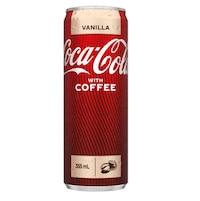


Coca-Cola recently introduced its first-ever energy drink, Coca-Cola Energy, and it is continuing to explore other beverage categories with new products like Coca-Cola Coffee. This new Coca-Cola beverage is set to be launched in 25 markets around the world as of the end of this year.
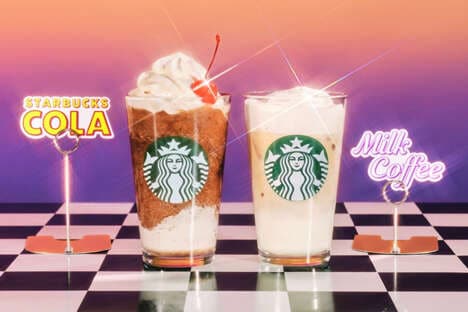
Coca-Cola Coffee is a unique in-between drink that blends Coke and coffee, and was created to suit specific occasions like the mid-afternoon slump that so many people experience at work—the canned drink provides less caffeine than a regular cup of coffee and more than a can of soda.
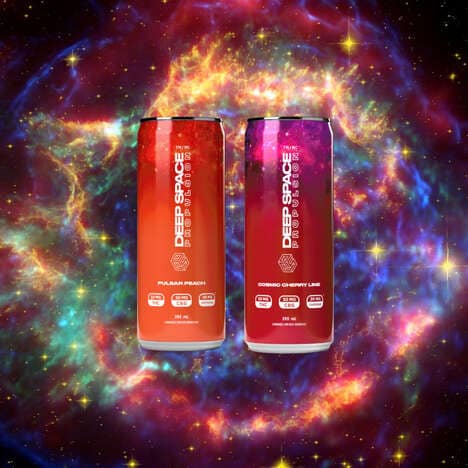
As many health-conscious consumers are actively choosing to avoid sugary drinks, Coca-Cola is tapping into the demand for ready-to-drink coffee and consumers' willingness to explore creative hybrid beverages that have the potential to impact one's energy levels.
What's Driving This Trend
- Ready-to-drink Coffee
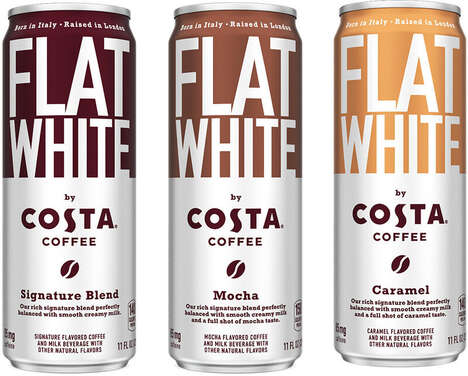
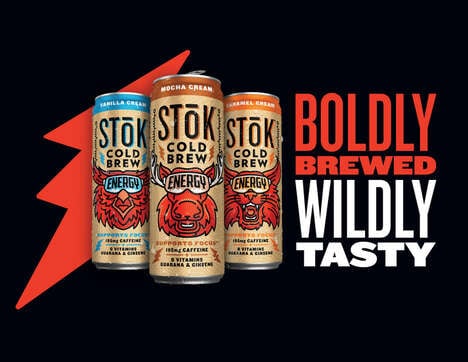
- Coca-Cola's introduction of Coca-Cola Coffee taps into the growing demand for convenient and on-the-go coffee beverages.
- Creative Hybrid Beverages
- The creation of Coca-Cola Coffee demonstrates the potential to develop unique beverage combinations that cater to specific occasions and consumer preferences.
- Health-conscious Consumer Choices
- By offering a lower-sugar alternative to traditional sodas, Coca-Cola is capitalizing on the trend of consumers seeking healthier beverage options.
Who This Affects Most
- Beverage Manufacturing
- The introduction of Coca-Cola Coffee highlights the potential for innovation and expansion within the beverage manufacturing industry.
- Coffee Retail
- The rising popularity of ready-to-drink coffee beverages presents an opportunity for coffee retailers to offer their own unique and convenient coffee options.
- Hybrid Beverage Market
- The development of creative hybrid beverages like Coca-Cola Coffee indicates the potential for growth and innovation within the hybrid beverage market.