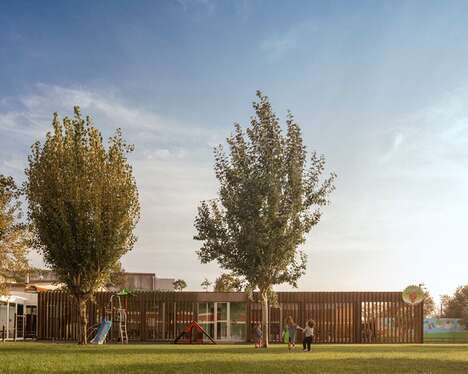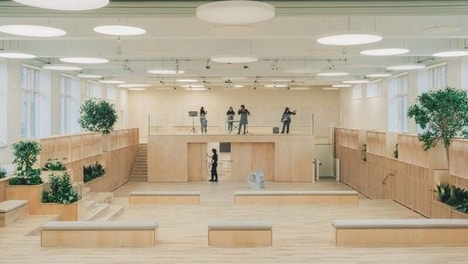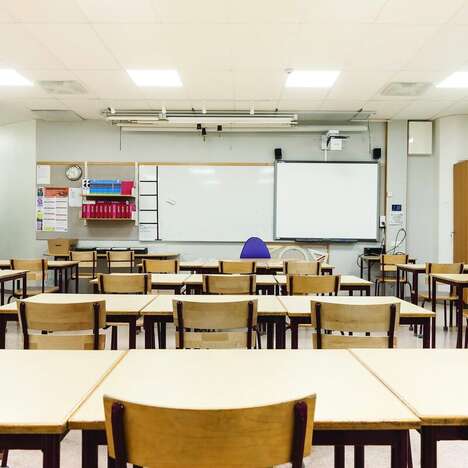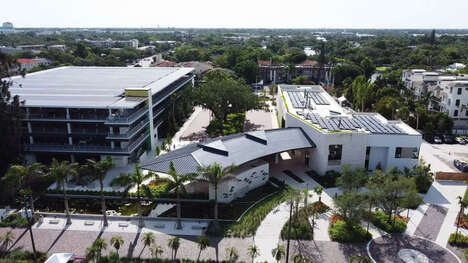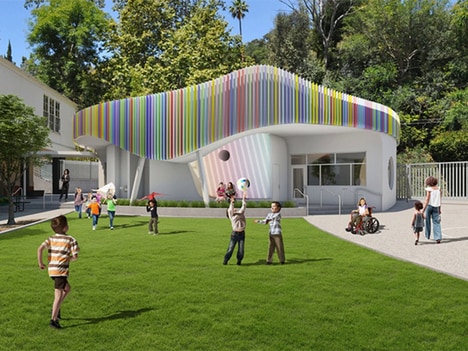
This classroom design by Anderson Anderson Architecture goes one step beyond being energy neutral. By doing away with artificial lighting and air conditioning, this compact 1,000 square foot classroom is able to produce four times the energy it needs for use. The project was developed in response to a statistic from the Hawaii Department of Education, which estimates that one in every four students goes to their classes in a low-quality portable. These hot structures are often uncomfortable and noisy, and Hawaii ends up paying the highest price per kilowatt hour to keep them comfortable and cool.
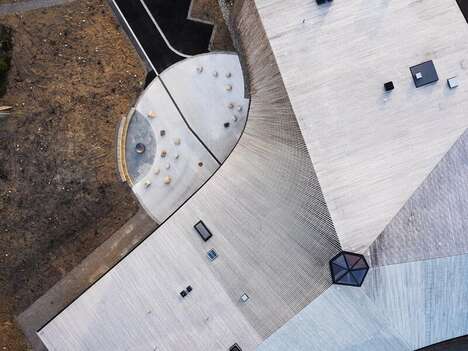
Some of the most impressive feature of this energy positive classroom include a solar panel roof, windows that have been carefully placed to make the most of daylight and a system that encourages air to flow naturally through the space for cooling.
Why This Trend Is Growing
- Energy Positive Buildings
- Designing buildings that produce more energy than they require for use.
- Natural Ventilation
- Utilizing natural airflow for cooling and reducing the need for air conditioning.
- Daylight Optimization
- Creating designs that maximize the use of natural light and reduce reliance on artificial lighting.
Industries Being Reshaped
- Architecture
- Innovative architects can explore energy positive building designs to address sustainability challenges.
- Education
- The education industry can consider energy positive classroom designs to improve the learning environment while reducing energy costs.
- Renewable Energy
- The renewable energy sector can benefit from the increased demand for solar panels and other energy generation technologies in energy positive buildings.