Casa 6-3 is a compact cabin by Baquio Arquitectura located on the slopes above Mindo, Ecuador. The 7.2-meter-long structure is raised on a triangular timber support system that minimizes disturbance to the site while preserving the natural topography below. Designed to accommodate up to six guests, the cabin uses a lightweight construction approach suited to the sensitive environment of the Chocó cloud forest. Its exterior is clad almost entirely in translucent polycarbonate panels, a material selected for its affordability, ease of transport, and ability to filter natural light throughout the day.
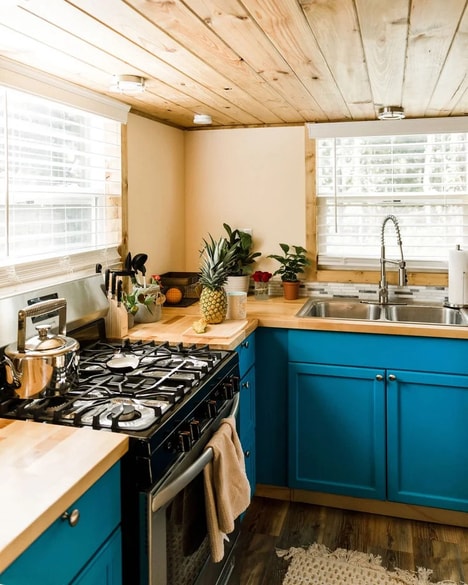
The elevated design creates a minimal footprint while maintaining a close connection to the surrounding landscape. Inside, a compact layout incorporates a timber kitchen, folding staircase, and sleeping areas within a restrained floor plan. The polycarbonate envelope allows changing weather conditions, vegetation, and natural light to shape the interior atmosphere.
Image Credit: Baquio Arquitectura
Key Themes Behind This Trend
- Elevated Minimal-footprint Retreats
- Raised cabin structures preserve sensitive terrain while enabling hospitality models that expand lodging capacity in ecologically constrained destinations.
- Translucent Nature Envelopes
- Affordable polycarbonate cladding creates immersive light-filled interiors, suggesting new possibilities for low-cost architectural experiences shaped by weather and landscape.
- Compact Modular Eco-stays
- Small-format accommodations with flexible interiors and lightweight construction point to scalable guest housing that balances comfort, transportability, and environmental restraint.
Where This Applies
- Eco-tourism
- Cloud forest cabins with minimal site disruption support differentiated travel offerings for operators seeking lower-impact stays in biodiversity-rich regions.
- Architecture
- Experimental material use and elevated timber systems signal a shift toward structures that respond to fragile ecosystems without relying on conventional foundations.
- Hospitality
- Compact multi-guest cabins introduce new lodging formats where immersive design, affordability, and environmental sensitivity become core competitive advantages.