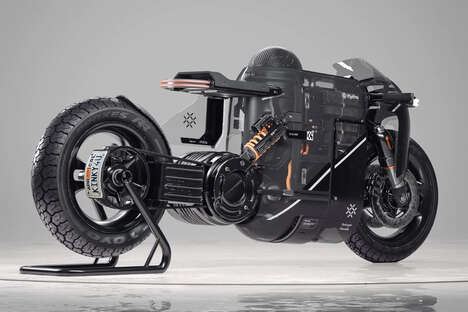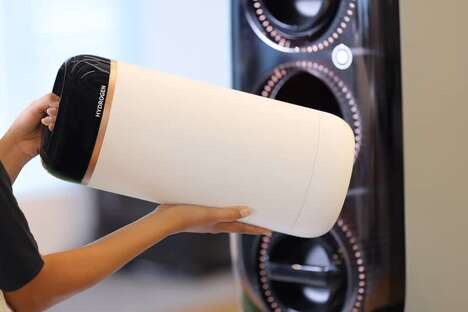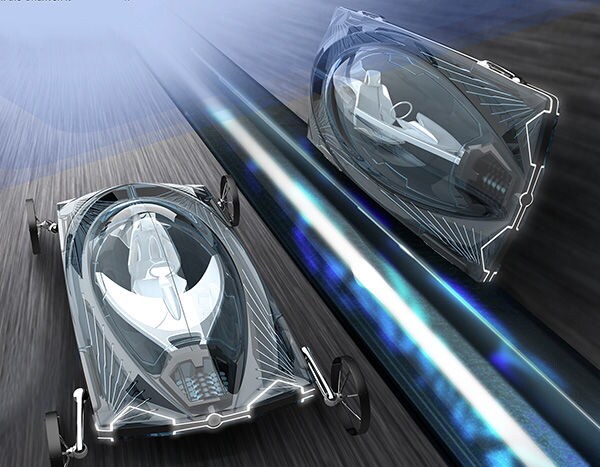
Using cardboard and plywood, students at Aston University created an eco-friendly cardboard car. The hydrogen-powered speedster uses a unique combination of eco-conscious materials to travel at top speeds. With the help of a hydrogen fuel cell, the sustainable race car can travel long distances while using minimal fuel.
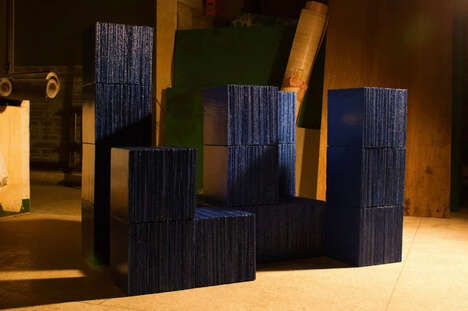
The walls of the racecar were built by placing a layer of cardboard between two layers of plywood. As a result, the car can be folded up and packed flat for easy delivery.
The cardboard car was built for the Shell Eco-Marathon competition where contestants are challenged to go as far as possible on 1 kWh or 1 liter of fuel. After a grueling race, the hydrogen-powered racecar won Shell’s Eco-Design Award.
Why This Trend Is Growing
- Cardboard Vehicles
- Creating vehicles from cardboard and sustainable materials presents opportunities for eco-friendly transportation solutions.
- Hydrogen-powered Technology
- Using hydrogen fuel cells in vehicles opens up possibilities for sustainable and efficient energy sources.
- Eco-design Competitions
- Participating in eco-design competitions encourages innovation in sustainable transportation and material usage.
Industries Being Reshaped
- Automotive
- The automotive industry can explore the use of sustainable materials and hydrogen-powered technology in vehicle manufacturing.
- Eco-friendly Packaging
- The packaging industry can develop eco-friendly solutions that utilize cardboard and plywood for flat-packed products.
- Energy
- The energy industry can focus on advancing hydrogen fuel cell technology for various applications, including transportation.