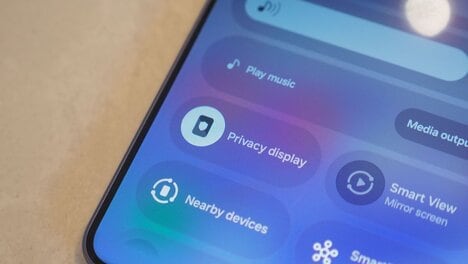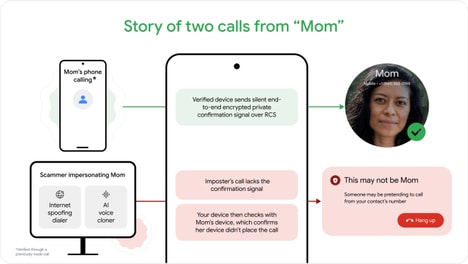

Samsung is adding a call-time lock to Auto Blocker in One UI 9.5, preventing Galaxy phone and tablet users from changing the feature’s settings while on a call. The restriction is designed to stop scammers from talking people through disabling security protections during live conversations.
Auto Blocker already intervenes when someone tries to install an APK from outside standard channels, and it also blocks suspicious activity over USB. Samsung has started testing the call restriction in the opening One UI 9.5 beta for the Galaxy S26 series, placing the safeguard where social-engineering attacks often happen.
The in-call lock turns a security menu into a harder target for scam scripts, not just malware. Putting it in the Galaxy S26 beta shifts mobile security toward blocking risky actions in the moment, rather than only warning users beforehand.
Image Credit: AI-generated
Why This Trend Is Growing
- Context-aware Security Locks
- Security controls that adapt to live user context create opportunities for platforms to block high-risk changes exactly when manipulation is most likely.
- Anti-social-engineering Design
- Interfaces built to resist scammer-guided behavior highlight a growing shift from malware detection toward protection against human manipulation.
- In-call Fraud Prevention
- Real-time restrictions during phone conversations introduce new possibilities for stopping financial scams before users can be coached into disabling safeguards.
Industries Being Reshaped
- Mobile Security
- Device-level defenses are expanding beyond app scanning into behavioral safeguards that reduce exposure to scams during vulnerable moments.
- Consumer Electronics
- Smartphone makers can differentiate through embedded trust features that make everyday devices more resistant to fraud-driven misuse.
- Telecommunications
- Carrier and device ecosystems are positioned to integrate call-aware protections that reduce scam effectiveness across voice-based interactions.