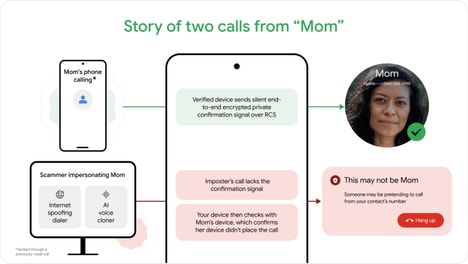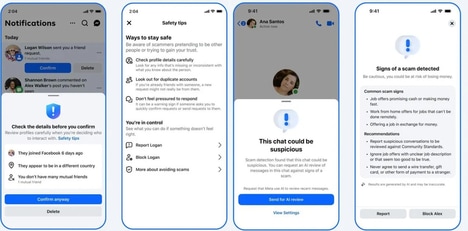

Apple is adding Impersonation Risk Detection to iPhone and iPad, using on-device analysis to identify signs of a potential scam before a user approves a payment or makes an account change. The feature is designed to address social engineering attacks, where someone is persuaded by a caller or message to take an action themselves.
The optional setting analyses activity on the device and gives participating apps a risk rating rather than sharing the underlying personal content. This allows apps to respond to a potential threat within the action taking place, such as a payment or account change, instead of relying solely on separate security warnings.
The feature reflects a broader approach to fraud prevention that focuses on how a scam unfolds, not just whether someone's credentials have been compromised. By making risk information available within participating apps, Apple is giving developers another way to identify potentially manipulated transactions before they are completed.
Image Credit: bluestork / Shutterstock
What's Driving This Trend
- Behavior-based Fraud Detection
- On-device behavioral signals create space for real-time scam prevention that protects users during sensitive actions without exposing personal content.
- Contextual Security Alerts
- Risk warnings embedded directly into payments and account changes can reduce friction while making fraud prevention more relevant to the user’s immediate task.
- Privacy-preserving Risk Scoring
- Local analysis and abstracted risk ratings point to new security models where platforms support fraud detection without centralized access to private communications.
Who This Affects Most
- Mobile Security
- Device-native scam detection expands the role of operating systems as active fraud-prevention layers across apps and services.
- Digital Payments
- Transaction-level risk signals offer payment providers stronger defenses against socially engineered transfers before funds leave an account.
- Financial Technology
- Integrated fraud intelligence gives fintech platforms new ways to identify manipulated account changes, transfers, and onboarding activity in real time.