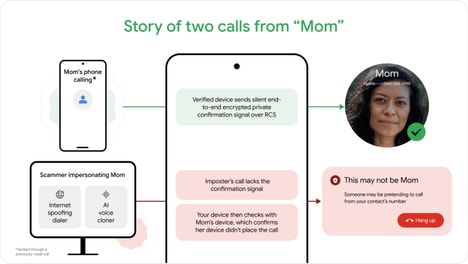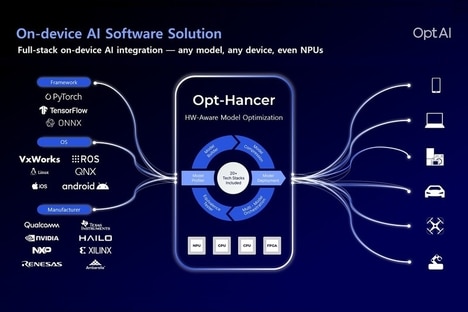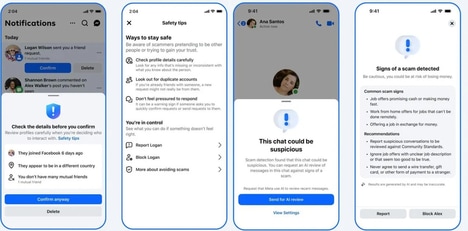

Scam.ai introduced Halo, an on-device deepfake detection model for live video calls, at Computex 2026. Launched through a partnership with Qualcomm, the tool uses a local AI engine to analyze video in real time without sending footage to cloud infrastructure.
Halo is optimized for Qualcomm-powered desktop computers and runs passively in the background during video conferencing sessions. Its core capabilities include real-time identification of synthetic video, on-device processing for increased privacy and compatibility with existing call workflows. Scam.ai said additional enterprise integrations and platform partnerships will be announced in the coming months.
For HR teams, recruiters and executives, Halo provides an added layer of protection against identity fraud during interviews and high-stakes calls by flagging AI-generated video as it appears. The platform reflects the growing shift toward privacy-focused, edge-based security tools that detect deepfakes without relying on centralized cloud analysis.
Image Credit: Scam.ai
What's Driving This Trend
- Edge-based Deepfake Detection
- Local AI analysis during live calls creates space for privacy-preserving fraud prevention tools embedded directly into everyday communication workflows.
- Real-time Identity Assurance
- Instant verification of video authenticity is becoming valuable for hiring, executive meetings and financial interactions where synthetic impersonation can create major risk.
- Private AI Security
- On-device processing reframes cybersecurity around reduced data exposure, enabling detection systems that protect sensitive video without routing it through cloud platforms.
Who This Affects Most
- Cybersecurity
- Deepfake-aware security products expand the market for threat detection beyond networks and endpoints into human identity verification during live digital interactions.
- Human Resources
- Recruiting and interview platforms gain new value from embedded authenticity checks that reduce exposure to candidate impersonation and AI-enabled hiring fraud.
- Video Conferencing
- Communication platforms can differentiate through native trust and safety features that monitor synthetic media risks without disrupting existing meeting experiences.