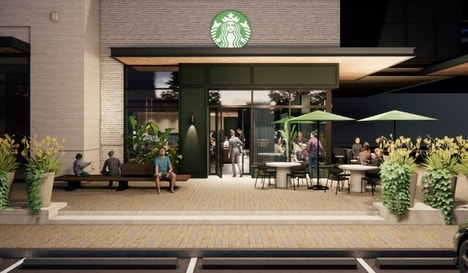
Starbucks created a new braille menu for its coffee using actual coffee beans. The idea is an extremely creative pursuit of reaching out to disabled customers and reflecting the brand’s social conscientiousness.
For large corporations, expanding marketing communication channels is very important, especially for a coffee company whose target audience is practically everyone.
Everything Starbucks puts forward creates an incredible amount of conversation and this inventive coffee bean braille menu will certainly be one for the books.
For a corporation that is determined to become its customers’ “best friend”, as it continually states in its punchlines, it is certainly executing its inclusion strategies correctly. The coffee bean menu is an amiable idea what will make people with vision disabilities feel valued by Starbucks for being openly considered.
What Makes This Trend Stand Out
- Innovative Inclusion Strategies
- Using unique and creative methods to make products more inclusive for customers with disabilities, like Starbucks' coffee bean braille menu.
- Multi-channel Marketing
- Expanding marketing communication channels is increasingly important for large corporations, particularly those targeting a wide audience such as a coffee company.
- Socially Conscientious Marketing
- Increasingly incorporating socially responsible strategies and products into marketing efforts, such as Starbucks' braille menu.
Sectors Adopting This
- Food and Beverage Industry
- Creating innovative and inclusive menus in the food and beverage industries can improve accessibility and customer appreciation.
- Hospitality Industry
- Improving accessibility and inclusivity in the hospitality industry, can enhance customer experiences and brand loyalty, like Starbucks.
- Retail Industry
- Incorporating socially conscientious products and strategies like inclusive menus can improve brand awareness and customer loyalty in the retail industry.