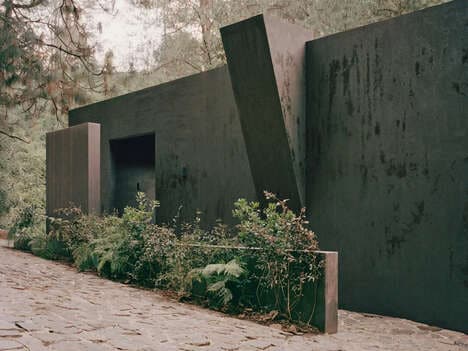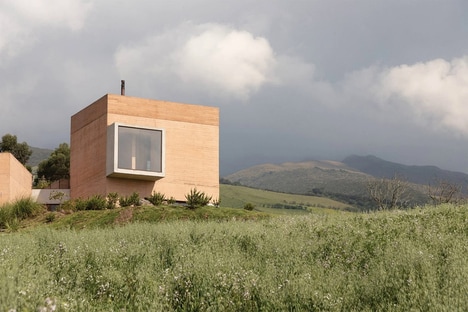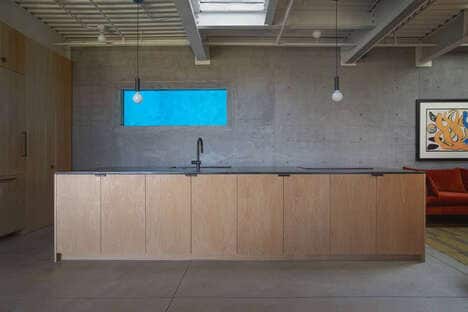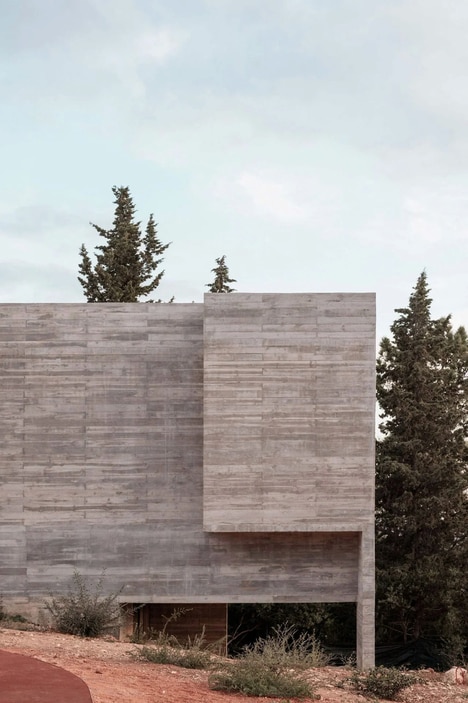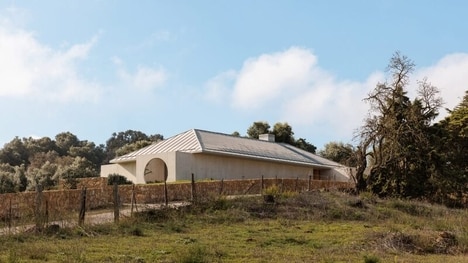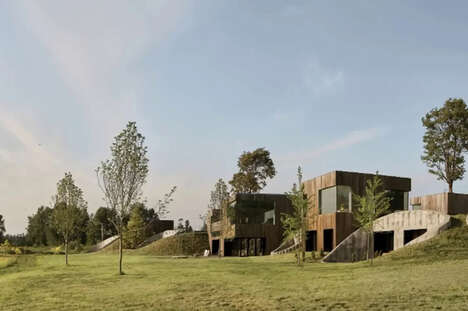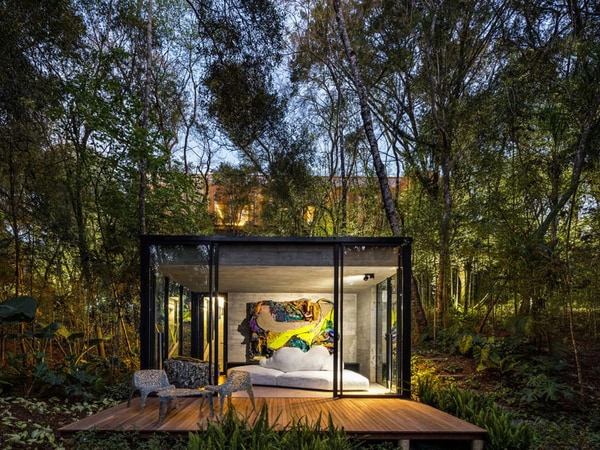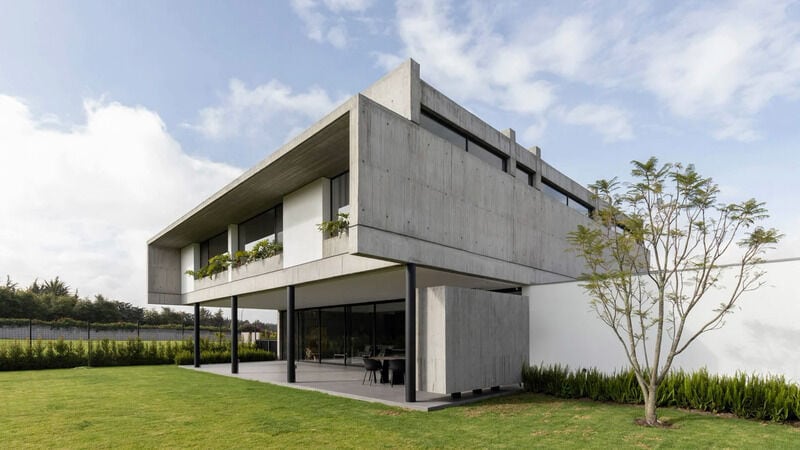
Local design firm Gabriel Rivera Arquitectos has designed the Binocular House, which is a concrete home defined by a large overhang and other areas that are designed to adapt to the different needs of the residents. It is located on a residential development dubbed Puembo and looks at the city of Quito, Mexico.
The team explains the design process, stating "The double height above the living and dining areas creates a connection between the upper and lower levels, achieving a fluid space that invites users to come downstairs." They continue, "The master bedroom, located to the west with a view of Quito, provides security for the home, while the secondary bedrooms are sheltered and overlook the rear garden."
Image Credit: JAG Studio
Why This Trend Is Growing
- Adaptable Living Spaces
- Homes designed with adaptable spaces cater to the evolving lifestyle needs of residents, providing a versatile living environment that challenges traditional static designs.
- Overhang Architecture
- Incorporating large overhangs into home designs offers a unique aesthetic while enhancing energy efficiency, setting a new standard for sustainable architectural practices.
- Vertical Connection Design
- Creating fluid vertical connections within homes fosters a sense of openness and community, redefining conventional residential layouts.
Industries Being Reshaped
- Residential Real Estate
- The integration of adaptable architectural features in concrete homes presents a forward-thinking approach to modern housing demands.
- Architecture and Design
- The shift towards flexible and innovative design structures highlights the evolving priorities in architectural practices.
- Construction Materials
- Advancements in versatile construction materials underscore the industry's pivot towards sustainable and adaptive housing solutions.