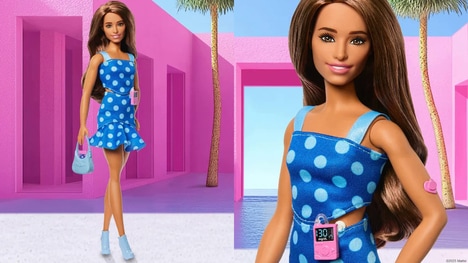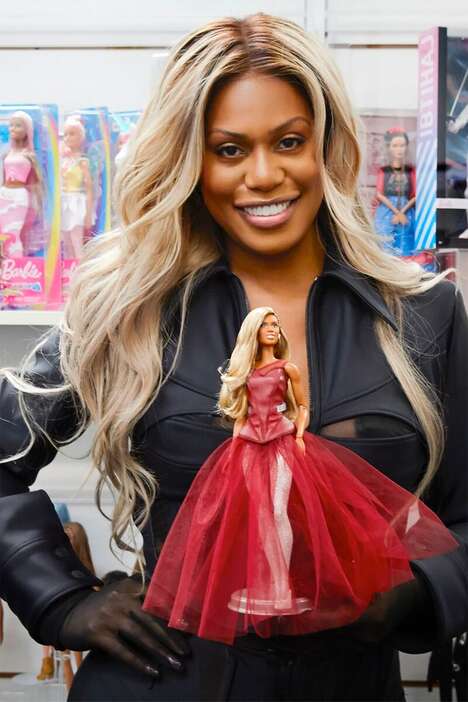
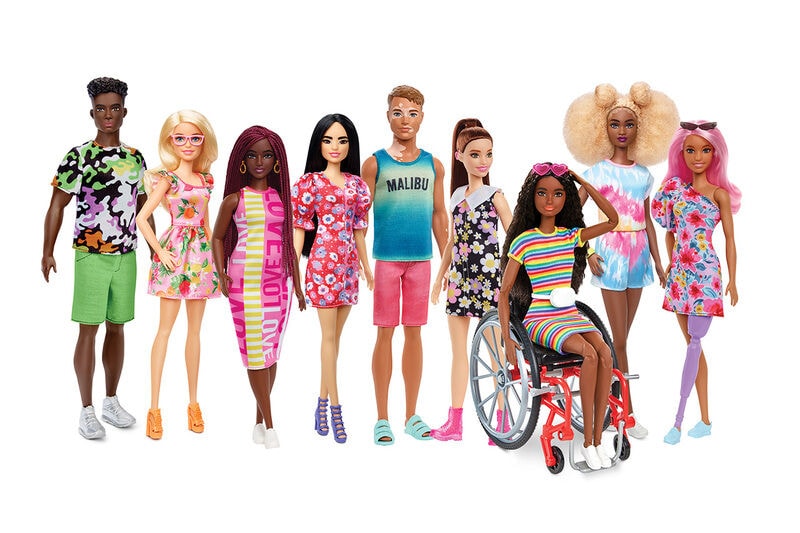
Barbie has just released its first doll with a hearing aid, following the brand’s vow to give children the opportunity to see dolls that reflect themselves and the world around them. Among the new Barbie dolls, consumers will be able to purchase a Ken doll with vitiligo, which comes after the release of a Barbie doll with vitiligo in 2020.
An audiologist and hearing loss advocate collaborated with Mattel to design the pink behind-the-ear hearing aid accurately. “As an educational audiologist with over 18 years of experience working in hearing loss advocacy, it’s inspiring to see those who experience hearing loss reflected in a doll. I’m beyond thrilled for my young patients to see and play with a doll who looks like them,” says Dr. Jen Richardson.
The new Barbie ‘Fashionistas’ line will be available in June 2022.
Image Credit: Mattel
Key Themes Behind This Trend
- Inclusive Dolls
- Dolls are becoming more inclusive, providing opportunities to address underrepresented communities and foster inclusivity.
- Collaboration with Experts
- Collaboration with experts from different fields can offer new areas for innovation and lead to more accurate and realistic products.
- Representation in Toys
- Demand for toys that accurately represent different backgrounds and abilities is slowly increasing, thereby giving companies new opportunities to tailor products to their customers' wants.
Where This Applies
- Toy Industry
- The toy industry has the ability to create toys that foster inclusivity and promote diversity, creating brand new markets.
- Healthcare Industry
- Collaborating with experts in healthcare can provide an opportunity to tailor products to specific needs while creating a better user experience.
- Fashion Industry
- The fashion industry can market dolls with a message of inclusivity and diversity and collaborate to create more realistic and representative toys.