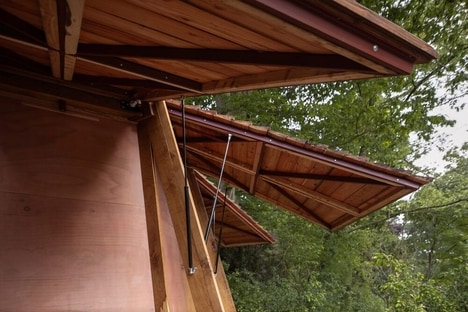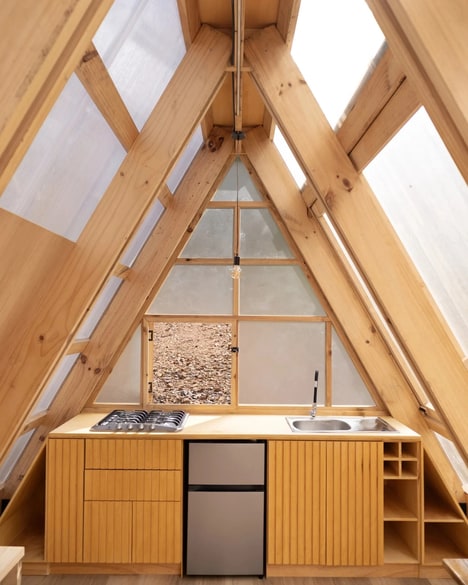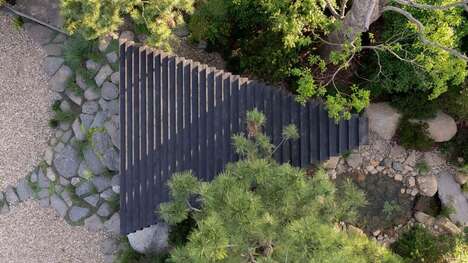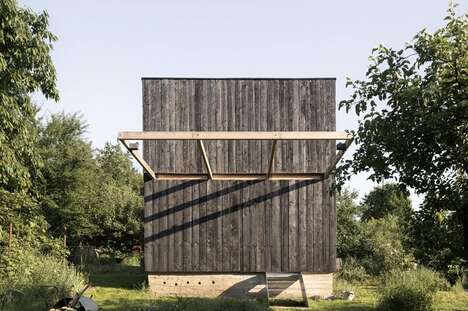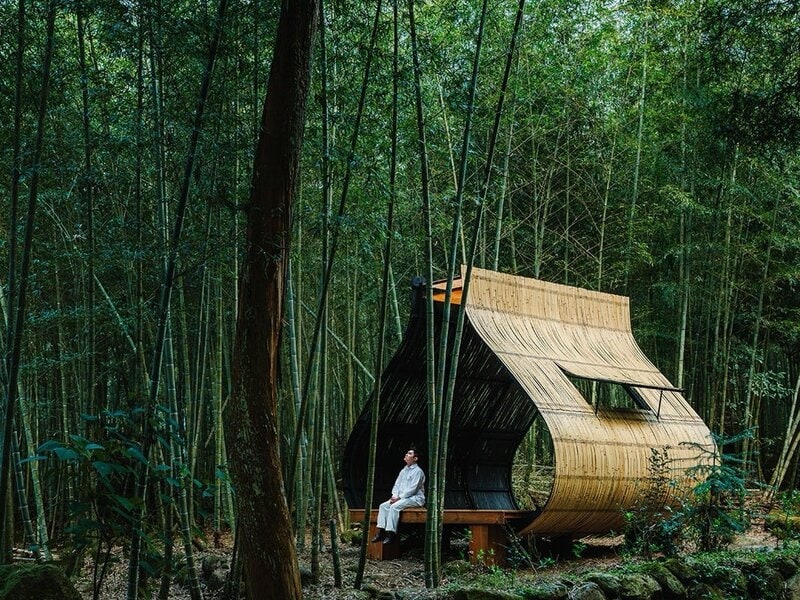
The Bamboo Cabin Plan by Cheng Tsung Feng draws inspiration from Taiwan’s traditional sticky rice dumplings—zongzi—by bending bamboo strips into an arched, cocoon-like form that nestles within a Nantou bamboo forest. The 3.4 × 4.3 m pavilion is defined by its open-weave bamboo walls that filter light, airflow, and sound, creating a sensory retreat where natural rhythms: birdsong, cicadas, breeze become part of the architecture.
Inside, a raised wooden platform offers a meditative pause for passersby, while discreet amber panels on the roof diffuse soft, warm light at dusk. The structure’s curvature mirrors the intimate gesture of wrapping dumpling leaves in human palms, offering both shelter and embrace. Built for the Nantou Bamboo Dream Festival, this pavilion bridges craft and nature, using traditional bamboo joinery enhanced with modern structural supports. Lightweight, temporary, and deeply contextual, the Bamboo Cabin Plan exemplifies how vernacular techniques can be translated into contemporary retreat architecture rooted in craftsmanship and cultural memory.
Image Credit: Cheng Tsung Feng
What Makes This Trend Stand Out
- Sustainable Architecture
- Bamboo's renewable properties are harnessed in innovative designs that blend traditional techniques with modern needs, paving the way for eco-friendly construction.
- Sensory Design
- By incorporating natural elements like light and sound, architecture can craft immersive sensory experiences, creating spaces that deeply connect with their environment.
- Cultural Revitalization
- Reviving traditional craftsmanship through modern structures can preserve cultural heritage while introducing unique and meaningful architectural designs.
- Temporary Structures
- Modular and lightweight buildings offer sustainable solutions for festivals and events, showcasing how temporary structures can effectively address both functional and aesthetic needs.
Sectors Adopting This
- Eco-friendly Construction
- Using sustainable materials such as bamboo presents a transformative approach in the building industry, aligning construction practices with environmental resilience and cultural homage.
- Event Architecture
- Creating temporary, impactful spaces for events demonstrates the potential of architecture as an enriching and dynamic experience.
- Cultural Tourism
- Integrating traditional craftsmanship into new architectural forms enriches cultural tourism, allowing visitors to engage deeply with local heritage through contemporary designs.