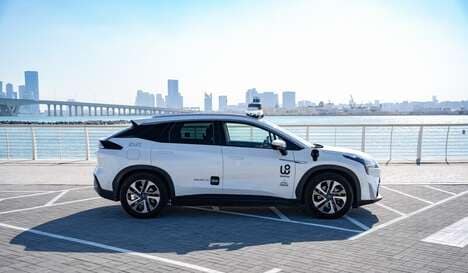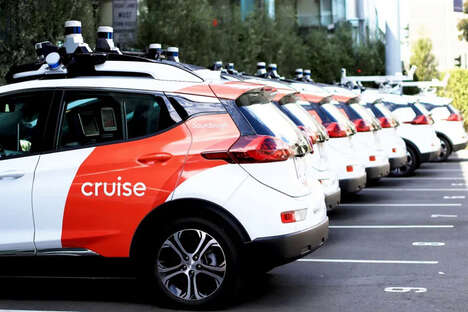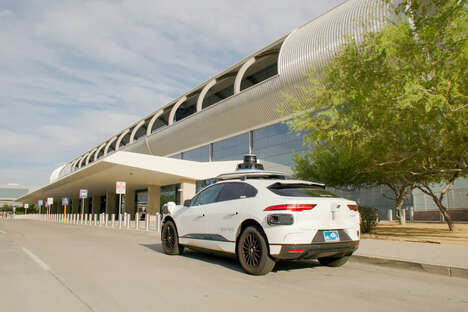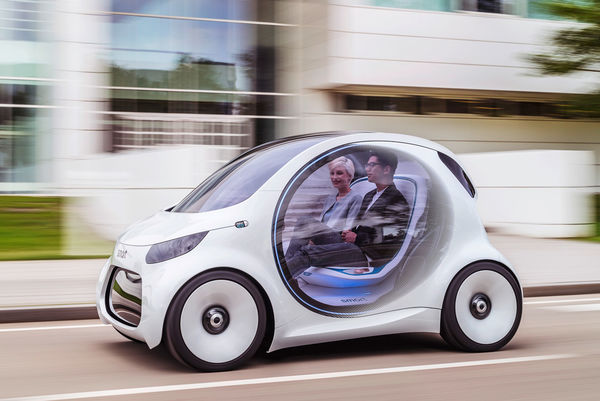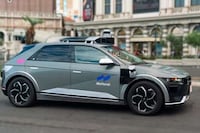


Lyft and autonomous car start-up Drive.ai are entering a partnership that will introduce autonomous rideshare services to the San Francisco area. These vehicles will be securely operated by trained drivers who are able to overtake the controls any time if need be. The all-new self-driving cars will be available through Lyft's open platform and riders may choose to opt out of receiving autonomous rides if desired.
Although Drive.ai has been testing out its self-driving technologies for some time now, its partnership with Lyft marks the first time that the public will be able to ride in one of its self-driving vehicles. Several other ridesharing services are also experimenting with self-driving vehicle programs. As Lyft co-lfounder John Zimmer sees it: "within five years a fully autonomous fleet of cars will provide the majority of Lyft rides across the country."
What's Driving This Trend
- Autonomous Rideshare Services
- The introduction of autonomous rideshare services is creating disruptive innovation opportunities in the transportation industry.
- Self-driving Car Technology
- The advancement of self-driving car technology is leading to innovative opportunities for autonomous rideshare services.
- Partnerships Between Ridesharing Companies and Autonomous Car Start-ups
- Collaborations between ridesharing companies and autonomous car start-ups are revolutionizing the ridesharing industry by offering autonomous rideshare services.
Who This Affects Most
- Transportation
- The transportation industry has the opportunity to embrace autonomous rideshare services as a means of transforming the way people get around.
- Technology
- The technology industry can explore disruptive innovation opportunities by further developing self-driving car technology for autonomous rideshare services.
- Rideshare
- The rideshare industry has the potential to be transformed by embracing autonomous rideshare services as a new way for people to travel.