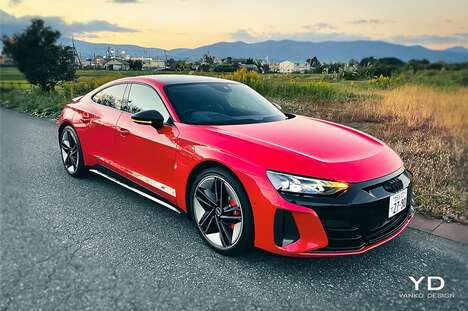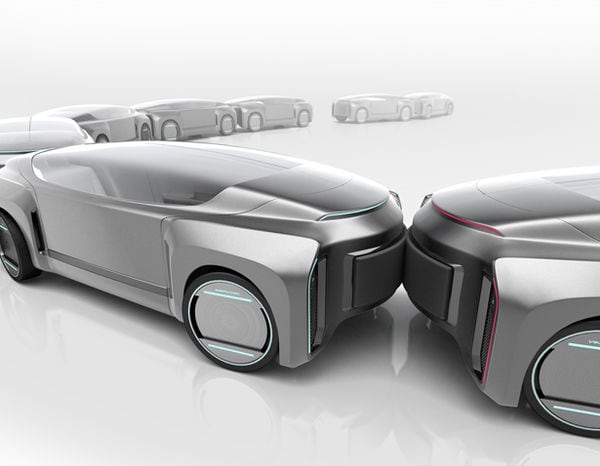


The driverless version of the Audi RS 7 Concept car is for real, as evidenced by the fact that it recently completed a full lap of the Hockenheim Grand Prix track in Germany in just over two minutes in racing-worthy speed. For comparison, the lap record for the track is just over 1 minute and 13 seconds and was set by Formula One superstar Kimi Raikkonen.
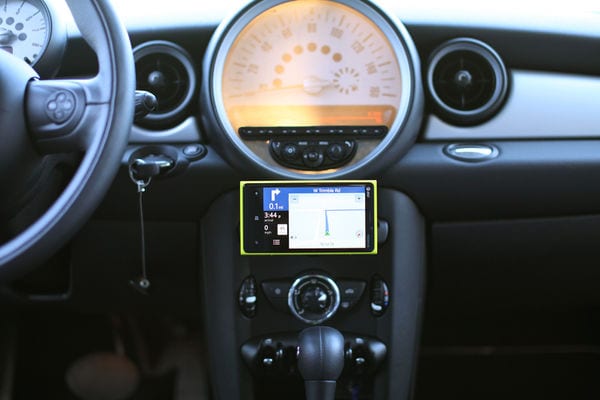
The driverless Audi RS 7 Concept is capable of using GPS signals transmitted to it via WiFi to guide its route, with in-car 3D cameras used to film the track and a software program used to compare the resulting images with on-board graphical information.
Audi hopes that the technology used in this car will eventually find its way into production vehicles by the end of the decade.
What Makes This Trend Stand Out
- Driverless Concept Cars
- Advancements in driverless technology have paved the way for concept cars that can navigate race tracks and potentially revolutionize the automotive industry.
- 3D Cameras and GPS Technology in Cars
- The use of 3D cameras and GPS technology in driverless cars presents opportunities for the development of more advanced and responsive automotive systems.
- Integration of Software Programs in Car Design
- Incorporation of software programs and machine learning technology in car design presents opportunities for aggregating and analyzing data to optimize driver experience and safety.
Sectors Adopting This
- Automotive Industry
- With the potential of driverless technology to revolutionize transportation, car manufacturers may leverage this technology to produce safer, more efficient vehicles in the future.
- Technology Industry
- Advancements in 3D cameras, GPS technology, and software programs may present opportunities for tech companies to become leaders in advancing autonomous vehicle technology.
- Sports Industry
- The use of driverless cars in sports events and racing presents an opportunity for innovation in a traditionally human-driven field and may attract a new segment of audiences interested in autonomous vehicle technology.