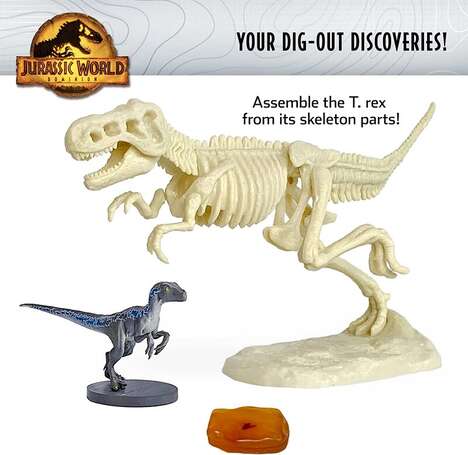
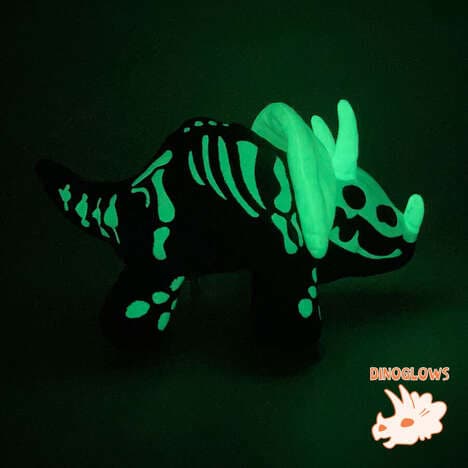
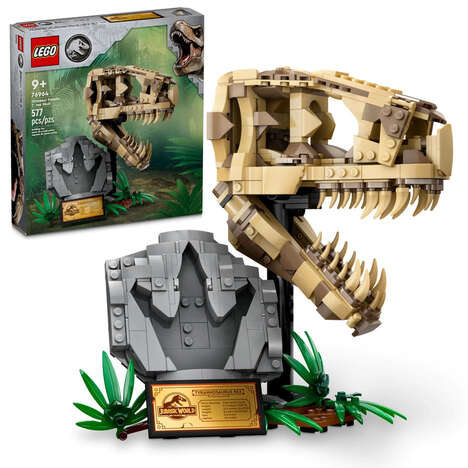
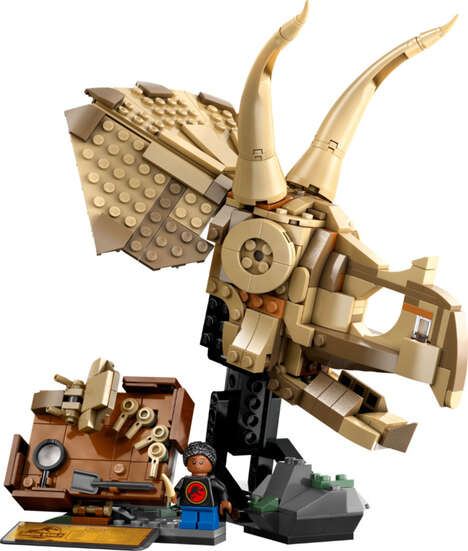
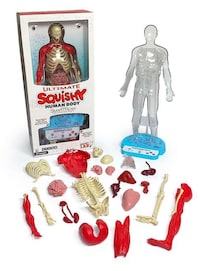
4D Vision has introduced a host of animal models based on their anatomical structure. Each model has removable bones and organs and includes an illustrated assembly guide describing each of the bones and organs you remove. The guide also shows you how to put the whole thing back together.
4D Vision made a wide array of models including, but not limited to, a crocodile, shark, cow, horse, pig, dolphin, dog and even dinosaurs like the T-rex and triceratops -- all of which would be perfect for a science classroom, anatomy geeks or kids who just like taking animals apart (as long as they're old enough not to swallow the pieces.)
Give a couple of these models to your kids and they'll gain a greater understanding of anatomy at an early age -- or they'll use them to create gruesome hunting scenes with organs and bones everywhere; either way, these are cool toys.
Why This Trend Is Growing
- Educational Toys
- Manufacturers can create educational toys that help children learn about biology and anatomy in a fun and interactive way.
- Custom 3D Printed Models
- 3D printing companies can offer customized anatomical models at a lower price, advocating wider access to educational models for use in school classrooms and research institutions.
- Augmented Reality Models
- Tech companies can create AR-based models that allow users to explore and learn about anatomy by visualizing organs and bones in an immersive, interactive way.
Industries Being Reshaped
- Education
- Educational institutions can use anatomical models as a teaching tool to help students better understand biology and anatomy.
- 3D Printing
- The 3D printing industry can create more accurate and cost-effective anatomical models, thus opening up new markets for these products.
- Tech
- Tech companies can develop cutting-edge AR solutions to offer engaging ways for users to learn about biology and anatomy in 3D space.