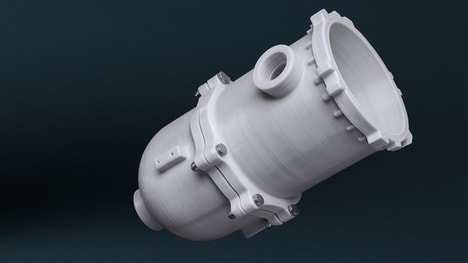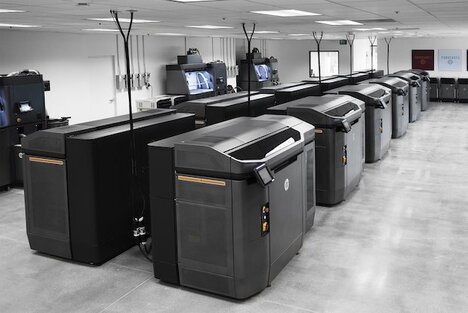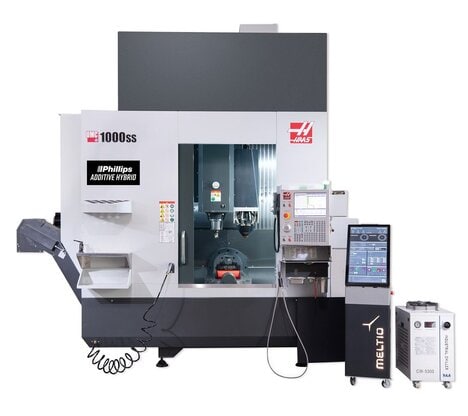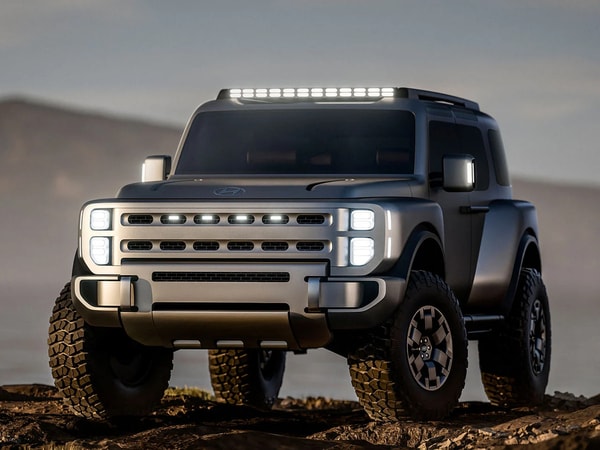
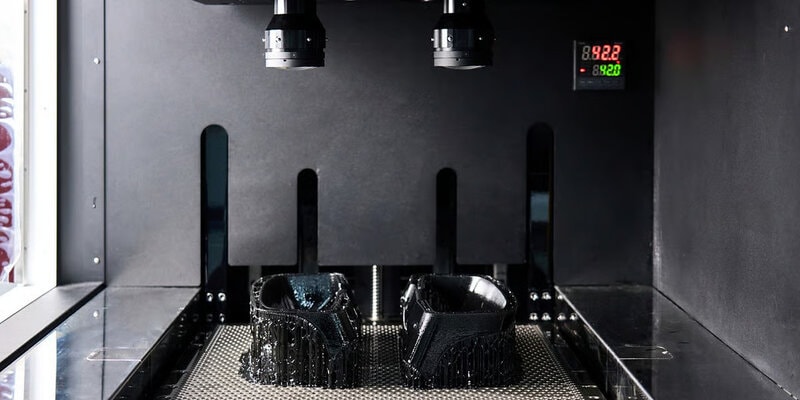
Hyundai Motor Group opened its Additive Manufacturing Solution Center (AMSC) at the Namyang R&D campus in Hwaseong, South Korea, establishing a dedicated facility for 3D printing and related workflows, featuring multiple metal and polymer processes. The center was introduced this year to consolidate in-house additive capabilities for Hyundai and Kia across prototyping, tooling and low-volume production.
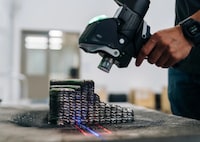
AMSC houses at least six different additive manufacturing processes, including metal-directed energy deposition and polymer techniques, and pairs those machines with 3D scanning and reverse-engineering tools. The facility also supports motorsports components, manufacturing tooling, consumables and on-demand legacy part production, plus training in design for additive manufacturing (DfAM).
For consumers and manufacturers, the center promises faster iteration, reduced supply-chain delays and more flexible small-batch production—advantages that matter especially for EV development and tooling resilience. By internalizing AM across vehicle development and service parts, Hyundai Motor Group aims to shorten lead times and adapt production to shifting demand patterns.
Image Credit: Hyundai Motor Group
Part of the cluster
Metal Manufacturing
Industrial additive systems bring production closer to demand
Explore the cluster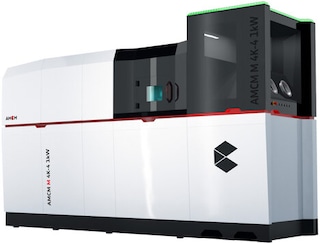

What's Driving This Trend
- In-house Additive Manufacturing
- Automakers are consolidating 3D printing capabilities inside R&D campuses, creating new potential for faster prototyping, localized production and reduced dependence on external suppliers.
- On-demand Legacy Parts
- Digital part libraries and reverse-engineering workflows are reshaping aftersales support by enabling low-volume replacement components without maintaining large physical inventories.
- Design for Additive Manufacturing
- Specialized training in additive design is expanding the performance possibilities of lightweight EV components, motorsports parts and complex tooling geometries.
Who This Affects Most
- Automotive Manufacturing
- Flexible additive workflows are giving vehicle producers new ways to shorten development cycles, customize components and stabilize supply chains during demand shifts.
- Electric Vehicles
- Rapid iteration of EV parts and tooling is accelerating battery, drivetrain and lightweighting innovation while supporting more adaptable small-batch production models.
- Industrial 3D Printing
- Multi-process additive centers are broadening the commercial value of metal and polymer printing across prototyping, tooling, consumables and end-use component production.