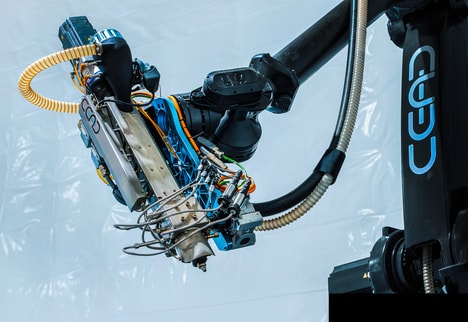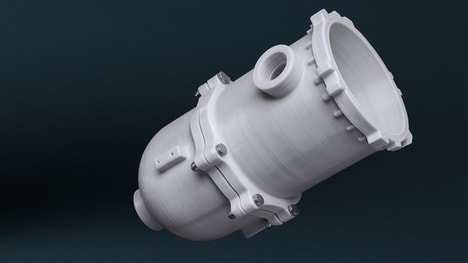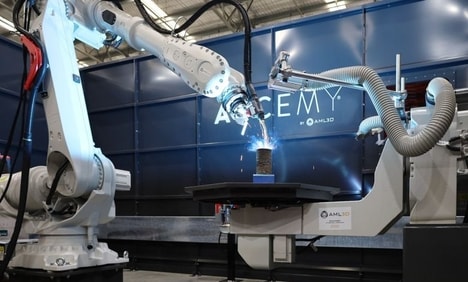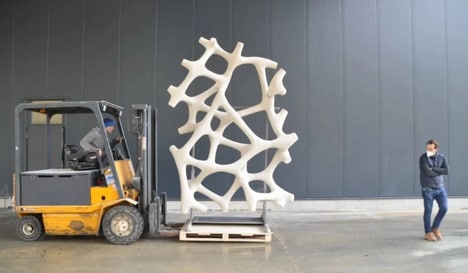
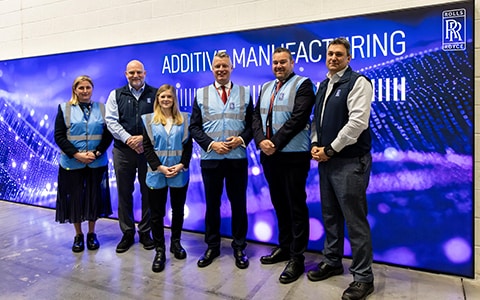
The rollout of advanced additive manufacturing facilities, such as Rolls-Royce’s new development cell in Bristol, highlights a shift toward more agile and efficient production models in aerospace. By using layer-by-layer fabrication techniques, companies can produce complex, lightweight components with greater precision and reduced material waste. This approach shortens lead times and enables faster iteration compared to traditional manufacturing methods.
From a business standpoint, this capability improves cost efficiency, supports rapid scaling, and strengthens supply chain resilience. Rolls-Royce, for example, can better meet demand for next-generation aircraft components while maintaining high performance standards. It also opens opportunities for localized production, reducing reliance on global logistics. However, it requires significant investment in specialized infrastructure and skilled labor. As adoption grows, companies leveraging these capabilities will gain a competitive edge in speed, customization, and overall operational efficiency.
Image Credit: Rolls-Royce
What's Driving This Trend
- Localized Additive Manufacturing Hubs
- The proliferation of regional AM facilities enables decentralized production of critical aerospace parts, reducing dependency on long global supply chains.
- Complex Lightweight Component Fabrication
- Layer-by-layer techniques allow creation of geometries and material-saving designs that significantly enhance performance-to-weight ratios for next-generation airframes and engines.
- Rapid Iterative Production Cycles
- Shortened lead times foster faster design iteration and qualification of parts, accelerating product development timelines across the value chain.
Who This Affects Most
- Aerospace Manufacturing
- Manufacturers stand to gain from integrated AM cells that compress development timelines while delivering higher precision and lower material waste.
- Defense and Space Systems
- National defense programs may adopt localized AM to secure mission-critical supply chains and field bespoke, high-performance components with tighter qualification control.
- Maintenance Repair and Overhaul
- MRO operations are positioned to shift from large spare-part inventories toward on-demand production of certified replacement components that reduce downtime.