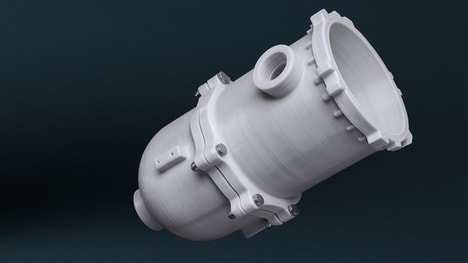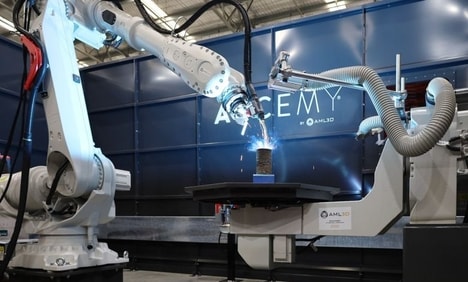

Additive manufacturing scaling is reshaping industrial production as companies move from isolated 3D printing projects to structured frameworks that identify where the technology creates the greatest operational and commercial value. Austal, Curtin University, and the Additive Manufacturing Cooperative Research Centre are developing a standardized methodology to evaluate thousands of components based on technical, regulatory, operational, and supply chain criteria. Rather than relying on individual case studies, the framework enables manufacturers to prioritize applications that can reduce lead times, improve production flexibility, and strengthen local manufacturing capacity.
For businesses, this approach lowers uncertainty around additive manufacturing investments and supports more confident adoption at scale. A repeatable assessment process can help manufacturers allocate resources more effectively, improve supply chain resilience, and accelerate production decisions. As similar frameworks expand into other industries, they could make advanced manufacturing more accessible, efficient, and commercially viable across diverse sectors.
Image Credit: Austal
Key Themes Behind This Trend
- Structured Additive Adoption
- Standardized evaluation frameworks make industrial 3D printing easier to scale by clarifying which components offer the strongest technical, operational, and commercial returns.
- Localized Production Resilience
- Distributed additive manufacturing strengthens domestic supply capacity by reducing dependence on long global supply chains and enabling faster access to critical parts.
- Component-level Prioritization
- Data-driven part assessment creates new value by helping manufacturers identify high-impact applications where 3D printing can reduce lead times and increase flexibility.
Where This Applies
- Advanced Manufacturing
- Industrial producers gain new pathways to modernize operations as repeatable additive manufacturing models reduce investment uncertainty and support scalable implementation.
- Maritime Defense
- Shipbuilders and defense suppliers benefit from additive manufacturing systems that improve spare part availability, production agility, and lifecycle support for complex assets.
- Supply Chain Technology
- Digital assessment tools expand the role of supply chain platforms by linking component feasibility, regulatory needs, and production economics into smarter sourcing decisions.