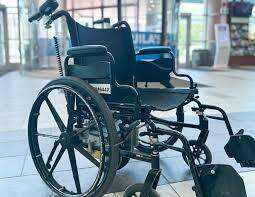
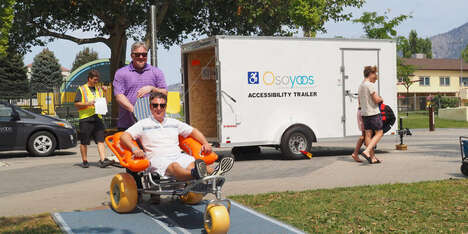
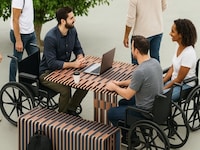
Halifax has recently introduced accessible picnic tables into some of the east coast city's downtown parks. The tables promise to provide a space for people in wheelchairs to eat and socialize in several of Halifax's different parks and green spaces -- a feat that was unfortunately difficult before the introduction of the accessible picnic tables.
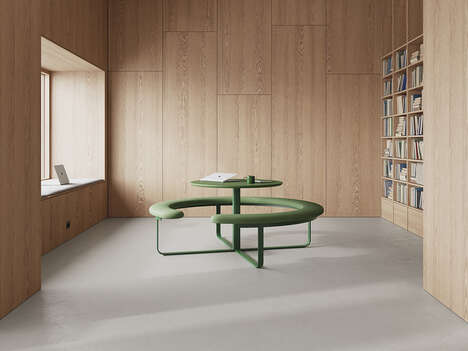
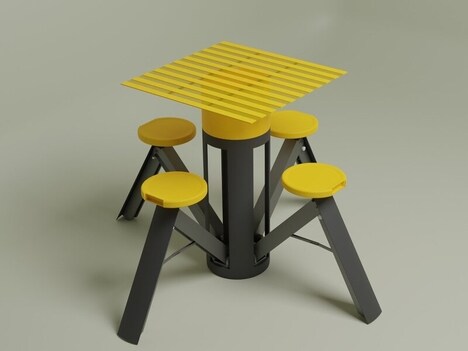
The picnic tables are easy to spot for a few reasons. Firstly, they are bright blue and have wheelchair accessibility symbols on one end. Next the tables have a unique design: one of the heads of the table extends far out past the benches along the sides. This asymmetrical extension allows people in wheelchairs to pull up next to their able-bodied companions unimpeded while still having access to table space.
Why This Trend Is Growing
- Accessible Picnic Tables
- Creating picnic tables that are specifically designed to accommodate individuals in wheelchairs, providing a more inclusive outdoor dining experience.
- Inclusive Park Design
- Designing parks and green spaces with accessibility in mind, ensuring that people with disabilities can fully enjoy outdoor recreational activities.
- Socialization Spaces
- Creating public spaces that encourage social interaction and inclusivity, allowing individuals with disabilities to connect with their able-bodied companions.
Industries Being Reshaped
- Outdoor Furniture Manufacturing
- Manufacturing companies specializing in outdoor furniture can develop and produce accessible picnic tables, tapping into the growing demand for inclusive and wheelchair-friendly designs.
- Urban Planning
- Urban planning firms can incorporate inclusive park design principles into their projects, creating accessible and enjoyable outdoor spaces for all community members.
- Hospitality and Tourism
- Hotels, restaurants, and tourist attractions can enhance their offerings by providing accessible outdoor dining options, catering to a wider range of customers and promoting inclusivity.