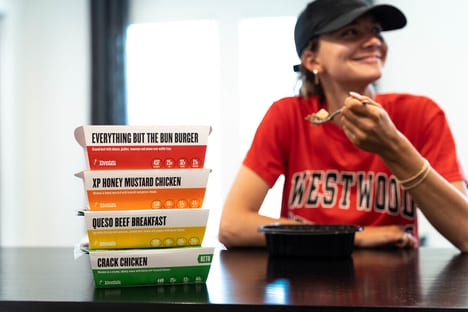

Toronto startup Nüu Catering launched a platform that connects offices with more than 50 local restaurant brands, featuring recurring meal programs designed for workplaces with 20 to 200 employees. The company positions its service as an “operating system for office catering,” handling ordering logistics, scheduling and concierge-style support for dietary restrictions and order customization.
Nüu’s offering emphasizes partnerships with independent restaurants selected for food quality, packaging and delivery reliability, while removing partners that fail to meet operational standards. The platform supports automated weekly meal scheduling and invoicing, rotating cuisines, complimentary bottled water and optional conversation-card games designed to encourage employee interaction during team lunches.
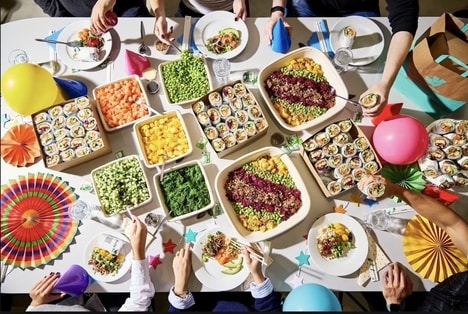
For employers, the service aims to make in-office days more engaging by turning meals into planned social experiences while reducing administrative work for office managers and executive assistants. By focusing on recurring daytime catering orders, Nüu also helps restaurants generate more predictable revenue outside peak dining periods while supporting workplace culture through shared food experiences.
Image Credit: Nüu Catering
What Makes This Trend Stand Out
- Automated Workplace Meals
- Recurring meal platforms transform office catering into a managed subscription model where scheduling, invoicing and dietary customization become embedded workplace infrastructure.
- Culture-driven Team Lunches
- Shared food experiences are becoming a practical tool for strengthening in-office attendance, employee connection and company culture without relying on traditional perks.
- Off-peak Restaurant Revenue
- Independent restaurants gain new growth potential from predictable daytime catering demand that balances slower service periods and reduces dependence on consumer dining traffic.
Sectors Adopting This
- Corporate Catering
- Digital operating systems for recurring office meals create room for more scalable, standardized and personalized catering models across small and mid-sized workplaces.
- Restaurant Technology
- Platforms that match local food brands with corporate demand introduce new data, logistics and quality-control layers to restaurant distribution.
- Workplace Experience
- Meal-based programming expands the role of office amenities by linking hospitality, employee engagement and administrative efficiency in hybrid work environments.