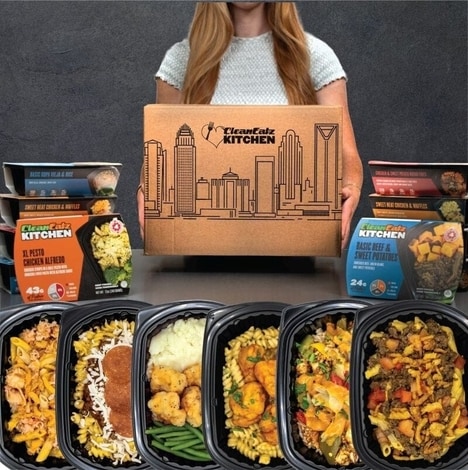
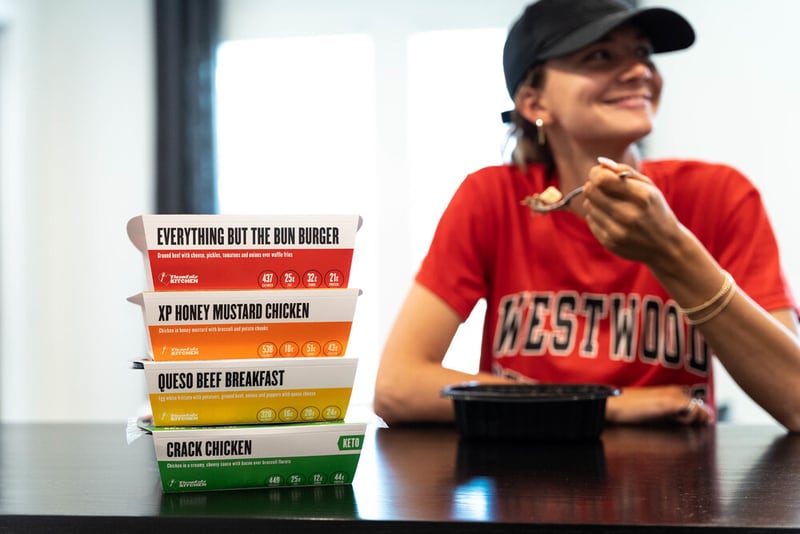
Clean Eatz Kitchen has released a report analyzing the subscription requirements of major meal delivery companies in the United States. The aim was to position itself as the only national service in this sector that operates without mandatory recurring commitments. The analysis indicates that nearly all prominent competitors function on a weekly auto-shipment model, where customers are billed and receive meals at regular intervals regardless of their immediate need. This prevailing industry structure is increasingly at odds with contemporary consumer preferences, as recent studies cited in Clean Eatz Kitchen's report show a growing sentiment of subscription fatigue among shoppers.
Data suggests a significant portion of consumers are frustrated by the proliferation of automatic payments, often underestimating their total monthly outlay on such services, and meal kit companies specifically face high customer churn rates. The standard model can lead to food waste, as fresh-prepared meals have a limited shelf life and may go uneaten if a customer's plans or appetite change during a billing cycle.
Image Credit: Clean Eatz Kitchen
Key Themes Behind This Trend
- Subscription-fatigue Among Shoppers
- Rising consumer weariness with recurring charges opens room for offerings that decouple loyalty from mandatory auto-renewals and increase transparency around spending.
- On-demand Meal Delivery Preference
- A shift toward flexible, as-needed ordering highlights demand for pay-per-use models and ad-hoc fulfillment that better align with variable schedules and appetites.
- Waste-reduction in Fresh Meal Supply
- Mounting concern over food waste from prebuilt weekly shipments signals interest in inventory systems and sourcing strategies that minimize perishables loss.
Where This Applies
- Meal Kit and Prepared Meal Services
- Traditional weekly-subscription operators face pressure to reimagine pricing and fulfillment options to retain users who prefer non-committal purchasing.
- Subscription Management Platforms
- Platforms that aggregate, visualize, or control recurring payments are poised to address consumer demand for clearer billing oversight and pause-or-cancel flexibility.
- Supply Chain and Cold-chain Logistics
- Logistics providers capable of hyper-local sourcing, just-in-time delivery, and improved shelf-life management could reduce waste and support irregular ordering patterns.