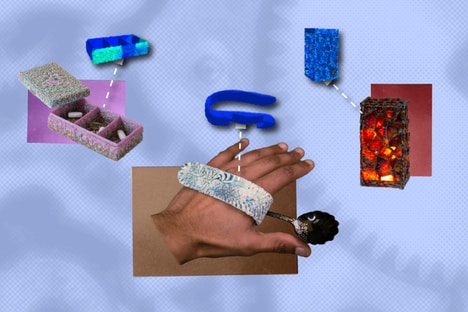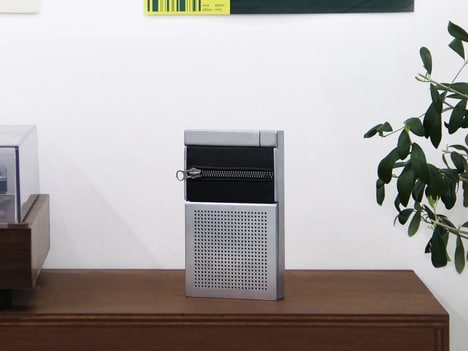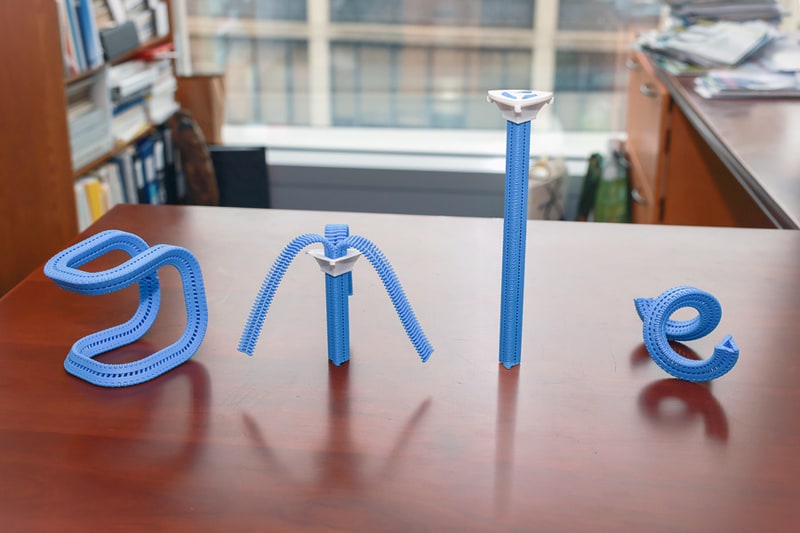
Adaptive zipper mechanisms are redefining how physical products transition between flexible and rigid states through programmable fastening systems. MIT researchers developed the Y-zipper, a three-sided zipper structure capable of transforming objects into stable shapes when zipped and returning them to flexible forms when unzipped. Built through customizable 3D printing software, the system can support applications ranging from tents and wearable medical devices to robotics and deployable emergency shelters. The mechanism also allows for automated movement when connected to motors, enabling products to physically adapt to changing environments or user needs.
The technology reflects growing interest in responsive product design and transformable structures that improve portability, storage, and assembly efficiency. Industries including robotics, healthcare, outdoor equipment, and disaster relief may increasingly adopt flexible-to-rigid systems to create adaptable products with dynamic functionality. Programmable structural systems could also expand opportunities for lightweight deployable designs, customizable manufacturing, and next-generation smart materials across commercial and industrial sectors.
Image Credit: Tim Malieckal/MIT CSAIL
What Makes This Trend Stand Out
- Programmable Fastening Systems
- Programmable fastening systems enable compact transport and on-demand structural rigidity for products that require both flexibility and load-bearing performance.
- Shape-shifting Structural Modules
- The development of shape-shifting modules allows platforms to reconfigure geometry for varied environmental conditions and multifunctional use.
- Motorized Adaptive Assemblies
- Motorized adaptive assemblies permit automated transitions between states, supporting responsive systems that adjust form and function in real time.
Sectors Adopting This
- Robotics
- Robotics could incorporate adaptive zippers to create lightweight manipulators and reconfigurable end-effectors that change stiffness for varied tasks.
- Healthcare and Wearables
- Healthcare And Wearables may benefit from conformable medical devices that rigidify for structural support or soften for patient comfort and compact storage.
- Disaster Relief and Deployable Shelters
- Disaster Relief And Deployable Shelters stand to gain portable structures that pack compactly and rapidly become load-bearing habitats.