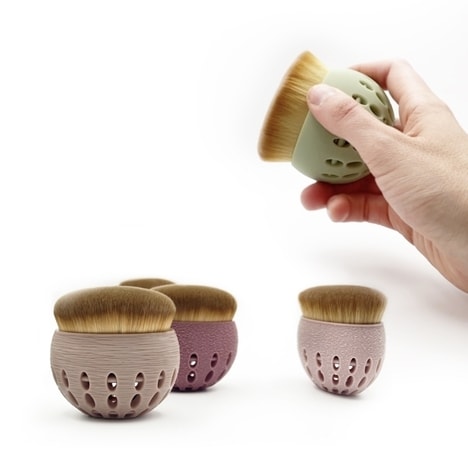


Using a $300 3D printer, researchers at Carnegie Mellon University (CMU) have developed a method by which to create 3D-printed hair, a feat that seems quite complex but is actually simpler than you might imagine. The team used the experience of hot glue as a model; when the glue gun is pulled away, a small strand is left stringing from the glued portion to the gun. The researchers at CMU took this application and applied it using a 3D printer to create synthetic, hair-like fibers that are quite like the real thing.
Able to be cut, washed and blowdried, the 3D-printed hair, while slow to create, is a step forward in manufacturing that the researchers believe could help revolutionize making hair for toys and beyond.
What's Driving This Trend
- 3d-printed Fibers
- The ability to 3D-print synthetic fibers presents an opportunity for the fashion and textile industry to produce complex and customizable clothing items.
- 3D Printing for Toys
- The use of 3D printing in the toy industry can potentially disrupt traditional manufacturing processes by allowing customization and rapid prototyping of new toy designs.
- Synthetic Hair Manufacturing
- Advancements in 3D printing have significant implications for the synthetic hair industry, allowing companies to produce realistic and customizable hair extensions and wigs at a lower cost and faster rate.
Who This Affects Most
- Fashion and Textile
- The fashion and textile industry can explore the possibilities of 3D printing fibers to create clothing with unique and intricate designs.
- Toys
- Toy companies can leverage 3D printing to create unique and customized toys, gaining a competitive edge and potentially disrupting traditional manufacturing processes.
- Hair Extensions and Wigs
- The synthetic hair industry can take advantage of 3D printing technology to produce high-quality, customizable hair extensions and wigs at a more affordable price and faster rate.