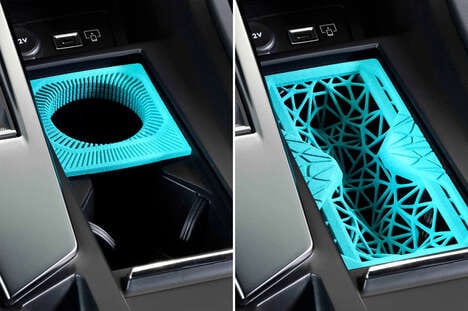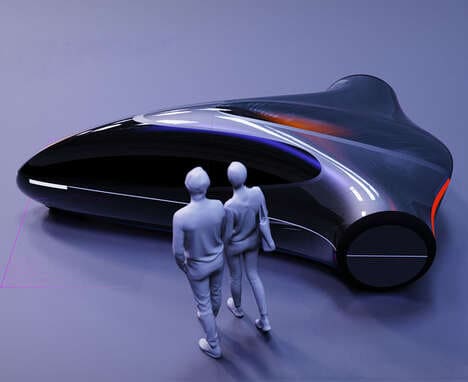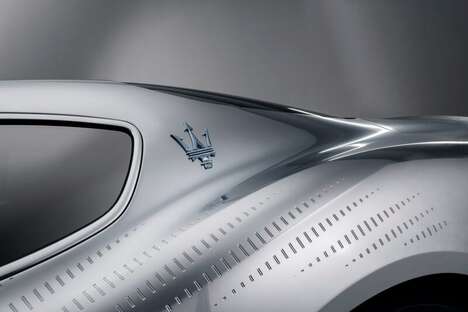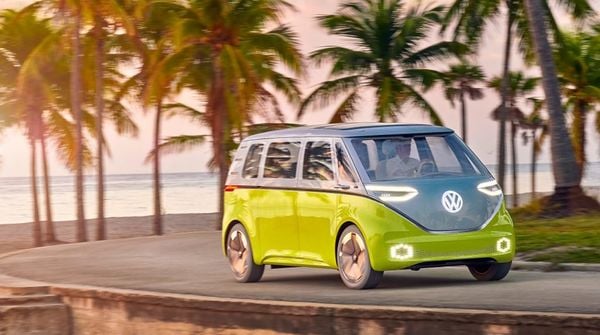
Neither electric cars nor 3D-printed cars are completely new innovations as of 2018, but what makes the LSEV a truly unique invention is the fact that it is the first fully 3D-printed electric car that is designed to be mass-produced.
Developed as part of a collaboration between noted Italian electric car maker XEV and China-based 3D-printing practice Polymaker, the LSEV's unique selling point is the fact that its body consists of only 57 pieces, which is a whole lot less than the usual 2,000 or so.
Recently unveiled at the China 3D-Printing Cultural Museum in Shanghai, the LSEV is set to enter production in mid-2019, and it's set to revolutionize the market due its status as the first mass-producible 3D-printed electric car, which should allow it to capture substantial market share.
Key Themes Behind This Trend
- Mass-produced 3d-printed Cars
- Opportunity to disrupt the automotive industry by introducing a new manufacturing process that allows for mass production of 3D-printed cars.
- Reduced Car Part Counts
- Opportunity to disrupt the traditional automotive supply chain by developing cars with significantly fewer parts, reducing complexity and costs.
- Electric Car Technology
- Opportunity to further advance electric car technology by combining it with 3D printing, enabling more efficient and customizable designs.
Where This Applies
- Automotive
- Opportunity to transform the automotive industry with the introduction of 3D-printed electric cars, revolutionizing manufacturing processes and reducing production costs.
- 3D Printing
- Opportunity for 3D printing companies to expand their market by supplying the technology and materials required for the mass production of 3D-printed cars.
- Electric Vehicles
- Opportunity for electric vehicle manufacturers to collaborate with 3D printing companies to develop and produce fully 3D-printed electric cars, enhancing the range and appeal of electric vehicles.