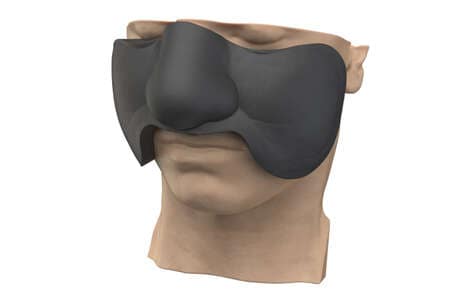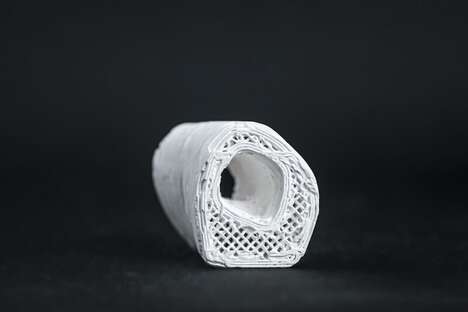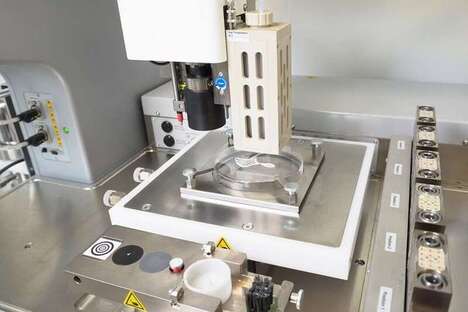
3D printing and health are proving to be a great pair, especially since the FDA has already approved several medical devices, prosthetics and even pills that are made using this technology.
A new drug called 'Spritam' developed by Aprecia Pharmaceuticals was created for the purposes of control seizures that are onset by epilepsy. As far as the reasons for printing pills, some of the benefits include being able to tailor a specific dosage to a patient and package them more efficiently. This speaks to a custom approach to medicine, rather than a one-size-fits-all methodology that has people buying generic medications off the shelf. Just as other oral medication, these pills dissolve normally.
Customization with 3D printing in the medical industry is also being seen with the creation of bespoke jaw bones, prosthetic devices and organs.
What's Driving This Trend
- Customized Medications
- 3D-printing pills allows for tailored dosages and more efficient packaging, disrupting the generic pharmaceutical industry.
- Personalized Healthcare
- The use of 3D printing in the medical industry enables the creation of bespoke jaw bones, prosthetic devices, and organs, revolutionizing patient care.
- Fda-approved Medical Devices
- 3D printing has gained FDA approval for medical devices, prosthetics, and pills, showcasing the potential for disruptive innovation in the healthcare sector.
Who This Affects Most
- Pharmaceuticals
- The pharmaceutical industry can benefit from 3D-printed pills by offering personalized medications to patients, maximizing efficacy and treatment outcomes.
- Medical Manufacturing
- The use of 3D printing in medical manufacturing allows for the production of customized prosthetics, devices, and organs, opening up new possibilities in patient care.
- Healthcare Technology
- With FDA-approved 3D-printed medical devices, the healthcare technology industry can explore new avenues of innovation in patient treatment and care.