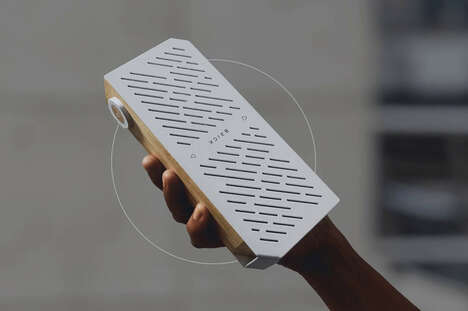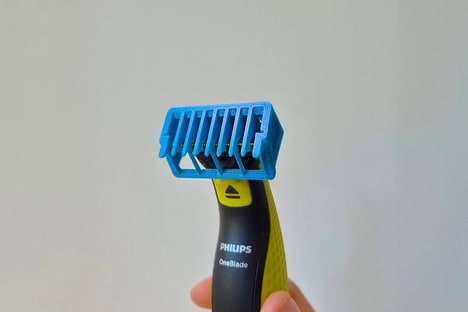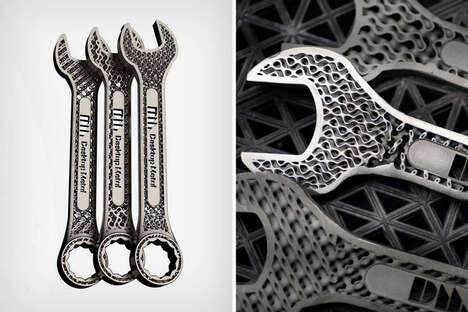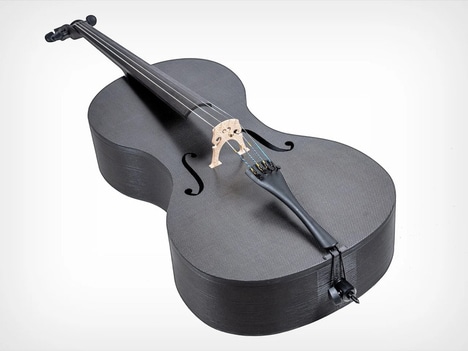
With the possibilities that 3D-printed parts bring, it's now becoming easier than ever to mend broken items with the right tools and know-how. In the experience of Reddit user Sleepwhereweland, a broken stereo meant a trip to the 3D printer instead of the store. The tech-savvy driver describes "The original plan was just to have a single aux cord plug connected to an amp sitting behind it," and to execute this plan, a fix was designed in IronCAD in about 20 minutes after measurements were made.
Printing was carried out in white ABS, taking about 10 hours to complete on a homemade RepRap 3D printer. In terms of cost, the replacement radio and clock system only cost $30. Quick turnaround, customization, low cost and practicality will definitely appeal to those who are looking to get into 3D printing.
What's Driving This Trend
- Customized Repairs
- The capability to 3D print parts for repairing broken items provides opportunities for customized and cost-effective repairs.
- DIY Manufacturing
- The rise of 3D printing enables DIY manufacturing, allowing individuals to create their own products and components.
- Rapid Prototyping
- Using 3D printing for quick turnaround and prototyping accelerates product development and testing processes.
Who This Affects Most
- Automotive
- The automotive industry can benefit from 3D printing technology to produce replacement parts, decrease production costs, and optimize repair processes.
- Consumer Electronics
- The consumer electronics industry can leverage 3D printing for customized repairs and faster prototyping of new product designs.
- DIY Hobbyist Market
- The DIY hobbyist market can thrive with 3D printing by providing affordable and accessible tools for creating and repairing various items.