Forget those blurry ultrasound pictures -- an expecting mother living in Tokyo can now get a 3D-printed fetus of her unborn child. Yes, the Hiro-o Ladies clinic is now offering pregnant patients a resin-cast, 3D-printed model of their fetus for 100,000 yen (about $1,300).
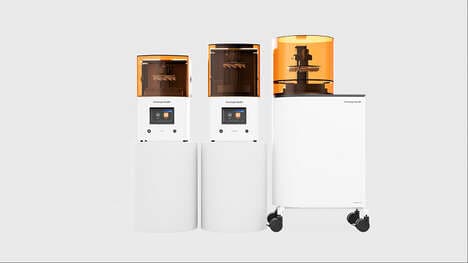
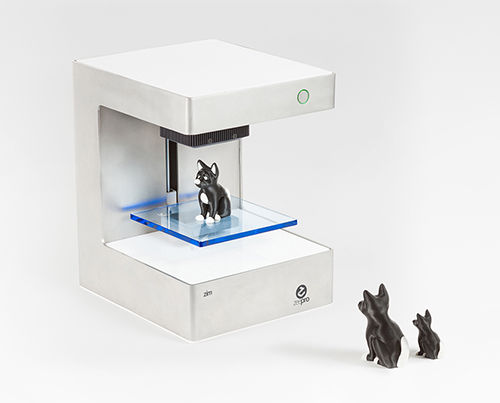
The clinic has been working with the 3D printing firm Fasotec to create these 3D-printed fetuses, or 'Tensi no Katachi' (Shape of an Angel), as they call them. The fetuses are printed in different shapes and sizes -- the video shows how you can even print out a mini fetus to be used as a cellphone charm -- and they are all surrounded by clear lucite, which mimics the womb's amniotic fluid. Further, clients can choose whether they want the entire baby's body cast or just a single body part (as if toting around a printed fetus wasn't strange enough!).
What Makes This Trend Stand Out
- 3d-printing in Healthcare
- The trend of 3D-printing in healthcare opens up opportunities for creating personalized medical models and tools.
- Personalized Pregnancy Experiences
- The trend of personalized pregnancy experiences allows expecting mothers to have unique mementos and connection with their unborn babies.
- Integration of 3d-printing and Ultrasound Technology
- The trend of integrating 3D-printing and ultrasound technology enables more detailed visualization and understanding of fetal development.
Sectors Adopting This
- Healthcare
- The healthcare industry can explore the use of 3D-printing to create personalized medical models, including fetal models for education and planning purposes.
- Consumer Goods
- The consumer goods industry can tap into the demand for personalized pregnancy experiences by offering customizable 3D-printed fetus models as keepsakes.
- Medical Equipment
- The medical equipment industry can develop innovative devices that integrate 3D-printing and ultrasound technology to enhance prenatal care and visualization.