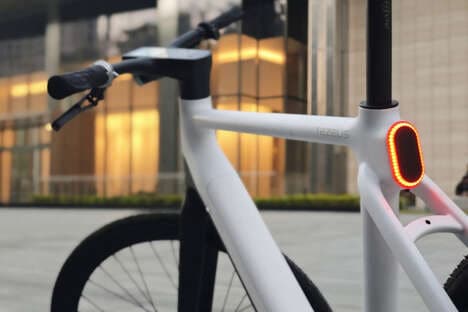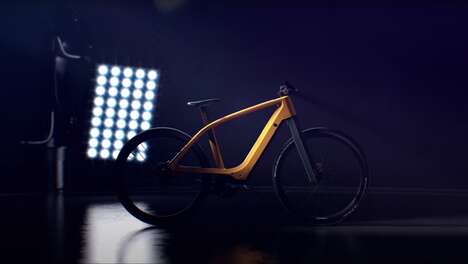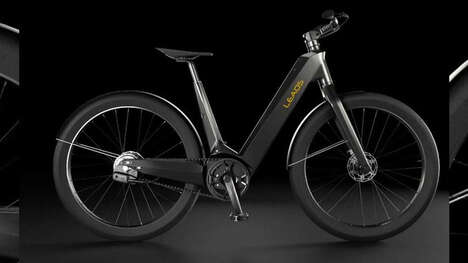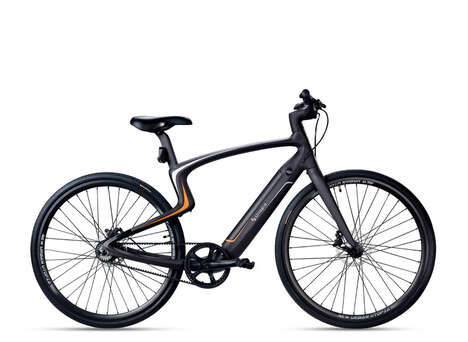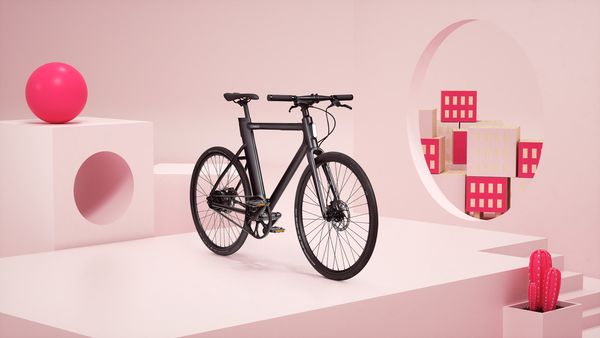
3D printing has changed the way consumers acquire everything from home goods to footwear, making it possible for designs to be customized and in many cases, printed on-site at a retail location—Arevo's 3D-printed bike offers a similar solution, as its parts can be made locally rather than shipped.
The 3D-Printed carbon fiber eBike is made by a robot, which helps to keep costs down and offer a reduced environmental footprint and manufacturing process that's more efficient to the way most carbon fiber bikes are made. The machine used for making the 3D-printed bike boasts the ability to print in all dimensions, which makes it capable of creating large, strong objects. Arevo's use of a thermoplastic embedded with carbon fiber makes for an ultra-durable bike made of a material that can be repurposed at the end of its lifecycle.
What Makes This Trend Stand Out
- Local Manufacturing
- The ability to print 3D bikes on-site offers opportunities for local manufacturing and customization.
- Sustainable Manufacturing
- Using materials that can be repurposed and reducing the environmental footprint presents opportunities for sustainable manufacturing.
- 3D Printing in Transportation
- The use of 3D printing in transportation, specifically in the creation of bikes, presents opportunities for new and innovative designs.
Sectors Adopting This
- Bicycles
- The bicycle industry can leverage 3D printing for local and sustainable manufacturing, as well as for creating new and innovative bike designs.
- 3D Printing
- The 3D printing industry can explore new applications in transportation and carbon fiber material manufacturing for bikes.
- Sustainable Manufacturing
- The sustainability industry can leverage the opportunities presented by 3D printing and the use of repurposable materials in transportation manufacturing.