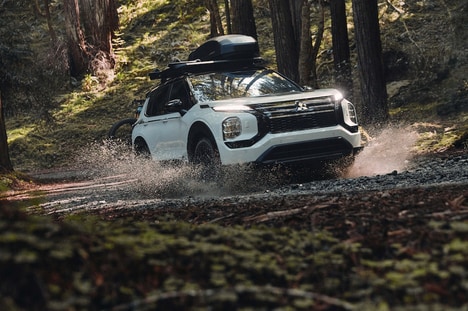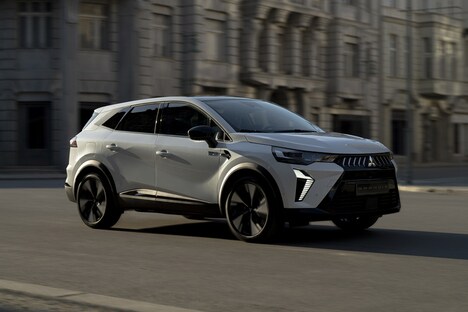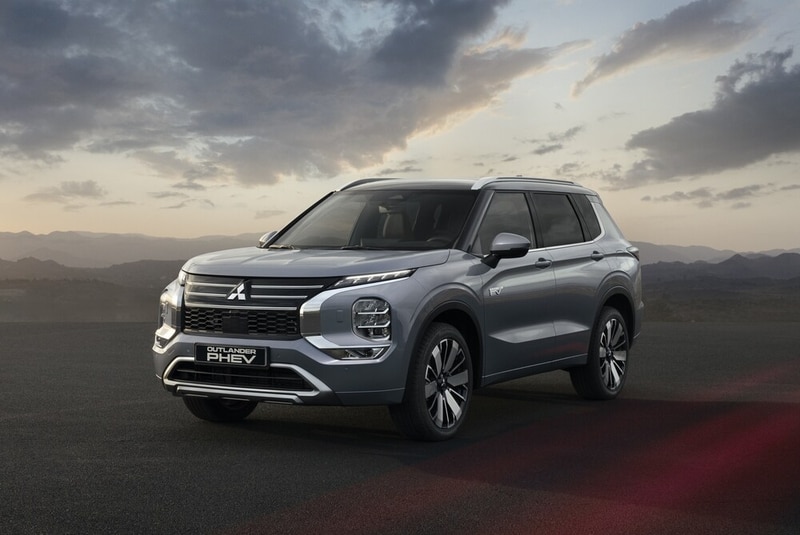
Mitsubishi Motors North America has announced the upcoming release of the 2026 Outlander Plug-in Hybrid — a mid-cycle refresh of its flagship electrified SUV — which is scheduled to arrive in U.S. dealerships in early May. Its starting price is just above $43,000.
The 2026 Outlander Plug-in Hybrid introduces a larger 22.7-kilowatt-hour battery that, combined with an enhanced cooling system and improved thermal management, delivers a 45-mile all-electric range and increases total system horsepower to nearly 300. The vehicle also benefits from a retuned suspension and revised steering for a more dynamic driving feel, while exterior modifications include a redesigned front grille, updated bumpers, new LED lighting throughout, and striking new wheel designs in both 18- and 20-inch sizes.
Inside, the cabin features upgraded seating surfaces with cooled front seats on certain trims, redesigned cupholders, an enlarged armrest storage area, a reconfigured phone charging pad, and the option of either an eight or twelve-speaker Yamaha audio system.
Image Credit: Mitsubishi Motors North America
Why This Trend Is Growing
- Extended All-electric Range
- Longer all-electric ranges in plug-in hybrids create scope for new ownership models and battery-integrated service offerings that shift consumer expectations for short-trip electric driving.
- Advanced Thermal Management
- Enhanced cooling and thermal control systems enable higher power outputs and faster charging cycles, reshaping battery design priorities and thermal-component supply chains.
- Cabin Premiumization in Electrified Vehicles
- A move toward cooled seats, upgraded audio, and refined interior storage signals demand for differentiated in-vehicle experiences that could blur lines between consumer electronics and automotive design.
Industries Being Reshaped
- Automotive Manufacturing
- OEMs integrating larger batteries and revised chassis dynamics face opportunities to reconfigure platform architectures and rethink cost-to-performance trade-offs across model lineups.
- Battery Thermal Systems
- Suppliers of cooling and thermal-management components are positioned to offer modular solutions that support higher energy density packs and extended electric range targets.
- In-vehicle Comfort and Infotainment
- Comfort and audio-system suppliers may drive differentiation through bundled hardware-software experiences that elevate perceived vehicle value beyond traditional drivetrain metrics.