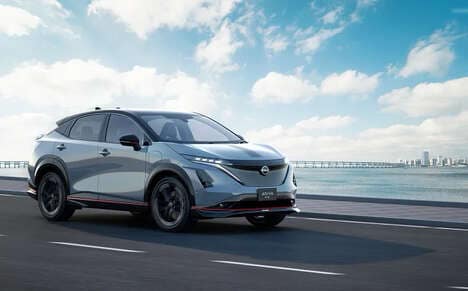
One of the misconceptions of all-electric cars is that they're toys that aren't intended for the rigors of daily driving; this is exactly the misconception that 2010 Nissan Leaf targets.
The 2010 Nissan Leaf is a five-door sedan that's built to seat five adults comfortably. The zero-emissions electric car has a range of about 100 miles, a top speed of over 87 MPH and the ability to be charged to 80% of capacity in under 30 minutes.
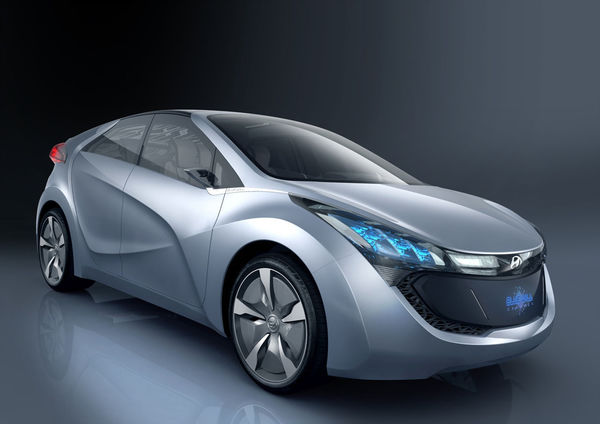
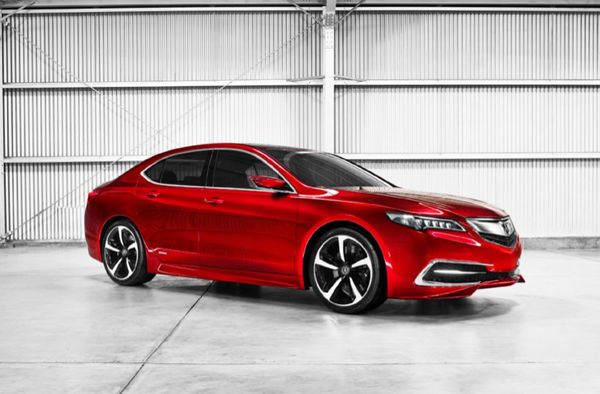
Best of all, perhaps, is the Nissan Leaf's design. Without resorting to cheesy cues that make the eco car look like a smiling bulbous marshmallow on wheels or an automobile out of "Back to the Future," the 2010 Nissan Leaf actually looks like a normal car.
Why This Trend Is Growing
- Zero-emissions Cars
- The trend of zero-emissions cars is disrupting the automotive industry, creating opportunities for innovation in battery technology, charging infrastructure, and design.
- Mainstream Electric Vehicles
- The trend of mainstream electric vehicles is disrupting the automotive industry, creating opportunities to improve driving range, charging speed, and affordability.
- Designing for Sustainability
- The trend of designing for sustainability is disrupting the automotive industry, creating opportunities to develop eco-friendly materials and production methods, as well as innovative vehicle designs.
Industries Being Reshaped
- Automotive
- The automotive industry is being disrupted by the trend of zero-emissions cars, which presents opportunities for innovation in battery technology, charging infrastructure, and design.
- Energy
- The energy industry is being disrupted by the trend of mainstream electric vehicles, which presents opportunities to develop faster charging technology and new renewable energy sources for vehicle charging.
- Material Science
- The material science industry is being disrupted by the trend of designing for sustainability, which presents opportunities to develop new eco-friendly materials and production methods for vehicle manufacturing.